Opinion: Will We See You in September, Gas Tax?
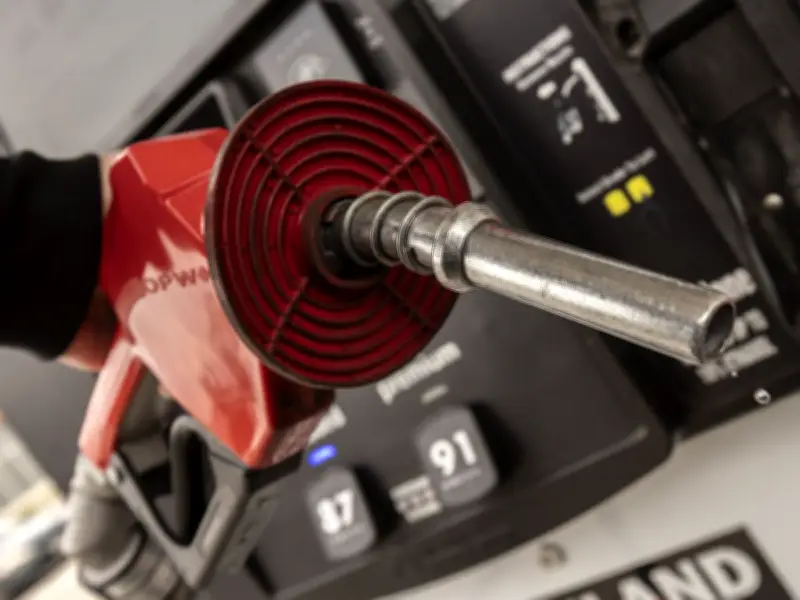
In April, Ottawa temporarily suspended the excise tax on gasoline, diesel, and jet fuel until Labour Day, following a spike in fuel prices due to the latest Middle East war. This move echoes a similar temporary measure from 1973, when Prime Minister Pierre Trudeau called for a freeze on oil prices, which ultimately led to a decade of price regulation.
A Historical Precedent
On Labour Day 1973, at the height of the first OPEC oil crisis, Trudeau asked the oil industry to freeze domestic oil prices until January 1974, when he would meet with provincial premiers to establish long-term pricing. He also imposed an export tax equal to the difference between Canada's frozen price and the rising U.S. price, using the revenues to compensate eastern refiners who bought crude on the world market. This move sparked a protracted battle with Alberta over fiscal treatment of oil and gas revenues and led to a complex web of federal and provincial legislation.
The Consequences of Price Controls
Today's governments may have better information on international oil prices than their predecessors, but they are no better at predicting prices or immune to policy mistakes. Regulated prices often produce perverse results. Following Labour Day 1973, Canada's oil-pricing system grew increasingly complex as Ottawa placated central-Canadian consumers by keeping domestic prices below world levels.

In January 1974, Ontario, Quebec, and Manitoba opposed any oil price increase. Trudeau initially caved but later compromised, raising domestic prices while keeping them well below world prices. Ottawa compensated importers for the difference, initially covered by the export tax. By June 1975, however, Ottawa introduced an excise tax of 13.2 cents per litre (in today's money), marketed as a stimulus for energy conservation.
The Long-Term Impact
It took 11 years from Trudeau's price freeze until a new Progressive Conservative government was elected, promising to end administered oil prices. From 1974 through 1984, the gross cash shortfall on domestic crude production relative to international prices exceeded $134 billion (in $2026). A 1995 study by Robert Mansell and Ronald Schlenker found that net fiscal transfers from Alberta due to policy manipulation of oil and gas prices totalled $195 billion in today's dollars from 1972 to 1985. This history explains lingering resentment in Alberta toward Ottawa.
A Warning for Today
Since this spring's price rise, some voices argue that because Canada has abundant oil, consumers should not pay world prices. This notion is misguided. The value of a good is what people are willing to pay for it. Consuming a valuable resource as if it were still cheap is unwise. Higher domestic prices, including excise taxes, help prevent overconsumption.
Robert Skinner is an executive fellow at the School of Public Policy, University of Calgary.