

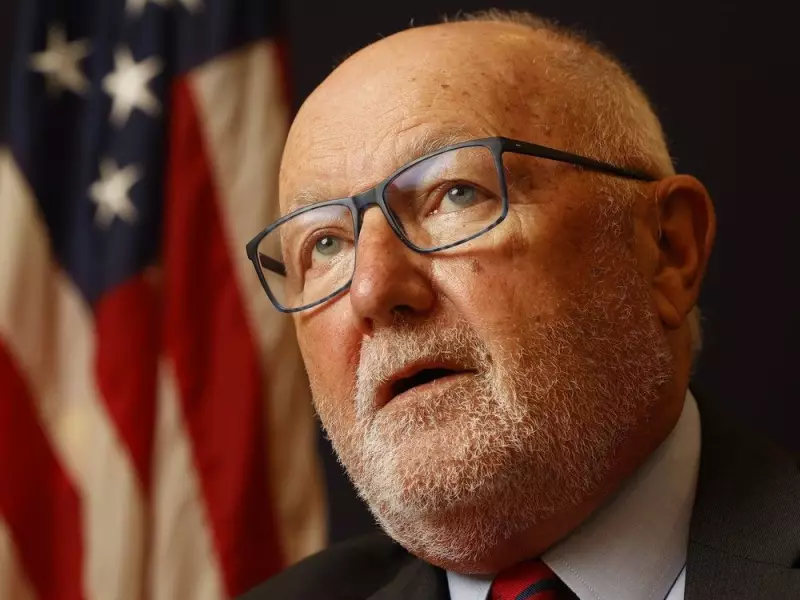
In a stark assessment that underscores growing bilateral tensions, the United States Ambassador to Canada, Pete Hoekstra, stated this week that the U.S. "does not need Canada." The comments came during a radio interview where he simultaneously praised decades of deep economic integration while warning that Ottawa's recent policy choices are influencing the upcoming review of the critical Canada-U.S.-Mexico Agreement (CUSMA).
A Blunt Message on Interdependence
Speaking with host Elias Makos on Montreal's CJAD 800, Ambassador Hoekstra was pressed on recent rhetoric from former President Donald Trump, who claimed the U.S. could easily replace Canadian-made products like cars, lumber, and steel. Hoekstra echoed that sentiment, stating plainly, "No, we don't need Canada."
He was quick to add context, acknowledging the immense prosperity generated by integrated supply chains under the original NAFTA and its successor, CUSMA. "A tremendous amount of prosperity and wealth and a tremendous number of high-quality, high-paying jobs" have been created on both sides of the border, he noted.

Setting the Tone for CUSMA Renegotiations
The ambassador's remarks arrive at a pivotal moment for North American trade. The CUSMA pact requires a mandatory review this year. If all three nations agree to renewal, it will be extended for 16 years. If not, annual joint reviews will be triggered until the deal's expiration in 2036.
Hoekstra directly linked Canada's recent actions to the forthcoming negotiations. He pointed to Ottawa's stance on trade with China and the boycott of American wine and spirits by several provinces and territories in late 2025 as factors that "kind of sets a tone for the relationship." A Nanos Research poll in December 2025 found 70% of Canadians supported keeping U.S. alcohol off shelves amid trade tensions.
"Hopefully this fall we will have a new outline of how we do business together," Hoekstra said, framing the upcoming talks as a decision point on whether cross-border business relationships will grow or companies will go their separate ways due to government decisions.
Canadian Sentiment and the Path Forward
During the interview, Makos cited a growing sense of alienation among Canadians and declining favourability toward the U.S. Hoekstra pushed back, asserting Canada's right to take measures it believes strengthen its position, while cautioning about the consequences.
The ambassador's message, delivered on January 15, 2026, serves as a clear diplomatic signal. While celebrating the historic economic partnership, the U.S. is framing the CUSMA renegotiation as a recalibration, with Washington holding a firm stance that it has alternative options should the talks not align with its interests.






