

Uruguay and Argentina Forge Ahead as First Mercosur Nations to Ratify EU Trade Agreement
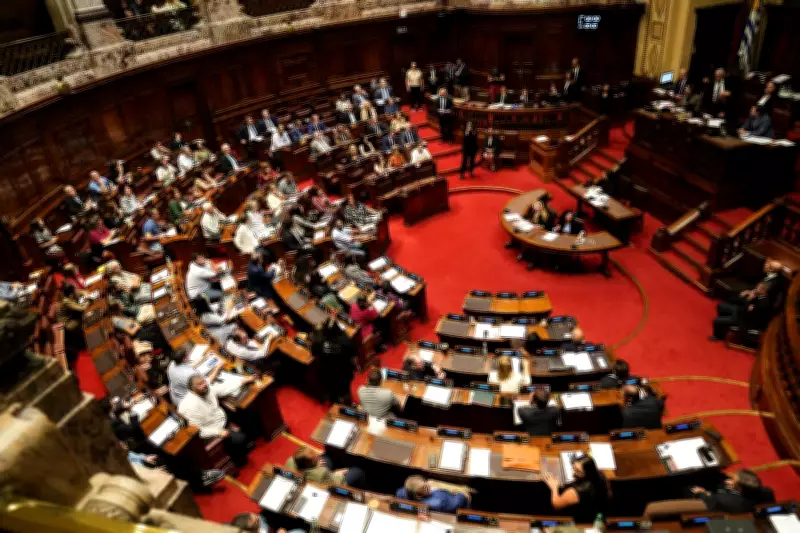
In a significant development for international commerce, Uruguay and Argentina have officially become the first member states of the Mercosur trade bloc to ratify the long-anticipated trade pact with the European Union. This historic move, confirmed on Thursday, February 26, 2026, through electronic voting in Uruguay's Congress in Montevideo, signals a major advancement in economic relations between South America and Europe.
A Milestone in Economic Integration
The ratification process underscores the commitment of both nations to deepening trade ties and fostering economic growth. The EU–Mercosur agreement, which has been under negotiation for years, aims to reduce tariffs, enhance market access, and promote sustainable development across sectors. By taking this lead, Uruguay and Argentina are positioning themselves as pivotal players in shaping the future of transatlantic trade, potentially setting a precedent for other Mercosur countries like Brazil and Paraguay to follow suit.
Implications for Global Trade Dynamics
This ratification is expected to have far-reaching consequences, not only for the involved regions but also for global trade patterns. The pact is projected to boost exports of agricultural products, manufactured goods, and services, while also addressing environmental and labor standards. As the world grapples with shifting economic alliances, this agreement reinforces the importance of multilateral cooperation and could serve as a model for other trade negotiations in an increasingly interconnected global economy.

Key aspects of the agreement include:
- Tariff reductions on a wide range of products, facilitating smoother trade flows.
- Enhanced intellectual property protections to encourage innovation and investment.
- Commitments to sustainable practices, aligning with global environmental goals.
The successful ratification by Uruguay and Argentina marks a critical juncture, with the potential to catalyze further approvals and implementation across the Mercosur bloc, ultimately reshaping economic landscapes on both continents.






