

Trump's 2026 Trade Agenda Signals Escalation of Tariffs as Central Policy Tool
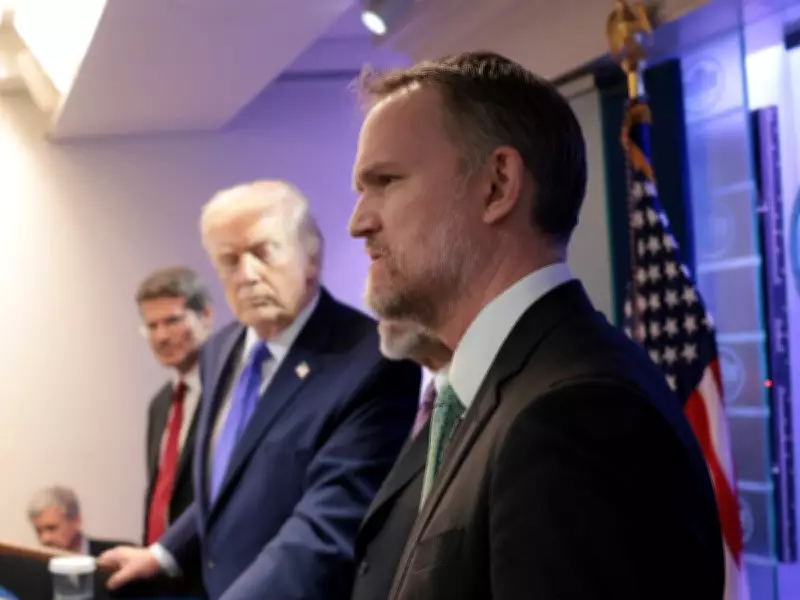
WASHINGTON, D.C. — The United States is poised for a significant increase in tariffs under President Donald Trump's latest trade policy agenda, according to documents delivered to Congress this week by U.S. Trade Representative Jamieson Greer.
The 2026 U.S. Trade Policy Agenda outlines plans for Trump's trade dealings this year, indicating that the Supreme Court ruling against his International Emergency Economic Powers Act tariffs has not deterred what he has previously called the "tariff man" approach.
Shift from 2025's Cooperative Tone
While the 2025 agenda framed the Canada-U.S.-Mexico Agreement as a success, this year's document contains numerous complaints about trading partners. Raj Bhala, an international trade law specialist and professor at the University of Kansas, described the contrast between the two documents as a "Dr. Jekyll and Mr. Hyde" comparison.

"In 2025, we did really well. Everything was copacetic with respect to Canada," Bhala said. "In 2026, you get this Mr. Hyde response: 'No, there are a lot of problems here. We're going to attack you.'"
Tariffs as Central Foreign Policy Pillar
This year's trade agenda represents a strategic pivot, moving from making a case for tariffs as a legitimate foreign policy tool toward positioning them as the central pillar of U.S. geopolitical and economic strategy. The trade deficit is now characterized as a "national emergency," justifying higher tariffs, demands for bilateral deals, and expanded government intervention.
"President Trump continues to flip the script on forty years of non-reciprocal trade practices," said Greer during the announcement of the agenda.
Diego Marroquín Bitar, fellow at the Center for Strategic & International Studies, emphasized this shift: "Tariffs are now the main pillar of Trump's foreign policy toolbox."
Expansion of Reciprocal Trade Agreements
The agenda outlines plans to expand the Agreement on Reciprocal Trade program with eight countries. These agreements require partners to lower their tariffs and accept U.S. tariffs that are lower than Section 122 10 percent duties but higher than most-favored-nation status ones, in exchange for access to the U.S. market.
According to Tori Smith, senior vice president at Forbes Tate Partners in Washington, D.C., Trump intends to leverage these agreements for agricultural market access. "It's my understanding that USTR will use that as an opportunity to say, 'Okay, you made these commitments. We need to be following through on them, especially on things like agriculture,'" Smith explained.
She anticipates the U.S. will forge similar agreements with countries that have existing frameworks in place, including the European Union, India, and Japan.
Critical Minerals Initiative and CUSMA Implications
The agenda also highlights the Agreement on Trade in Critical Minerals as a key initiative for establishing border-adjusted price mechanisms with like-minded partners. While the U.S. is attempting to increase domestic production capacity for critical minerals, Marroquín noted that "there's also a realization that they don't have the refining capacity and sometimes even have the minerals" for complete self-sufficiency.
This issue is expected to surface during the CUSMA review process, with Canada positioned to leverage its greater natural resources compared to Mexico to its advantage in negotiations.
The 2026 trade agenda represents a significant departure from previous approaches, signaling that tariffs will remain at the forefront of U.S. trade policy and international relations for the foreseeable future.






