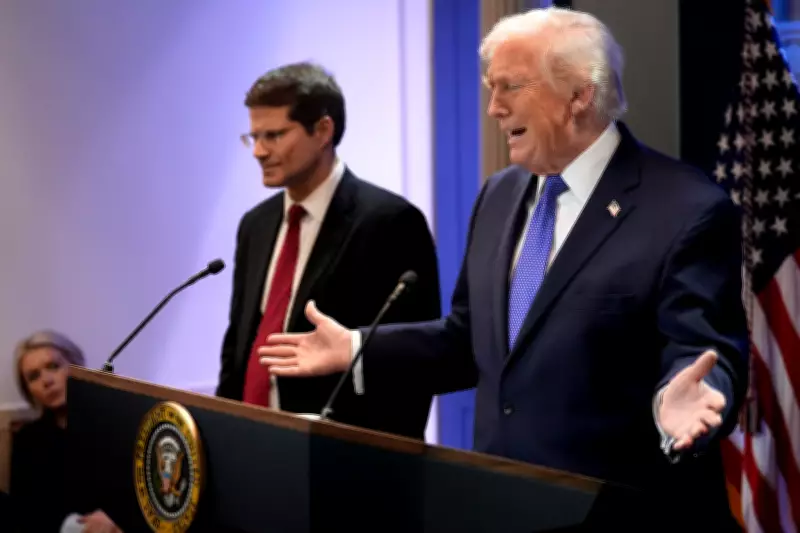
Trump Announces Sweeping 10% Global Tariff in Wake of Supreme Court Decision
In a significant move impacting international trade, former U.S. President Donald Trump has declared the implementation of a 10% tariff on all global imports. This decision comes directly after a pivotal ruling by the United States Supreme Court, which has cleared the path for such executive actions. The announcement, made on February 20, 2026, marks a major shift in American trade policy, with immediate repercussions for trading partners worldwide.
CUSMA-Compliant Goods Receive Exemption
A critical detail in this broad tariff imposition is the exemption granted to goods that are compliant with the Canada-United States-Mexico Agreement (CUSMA). This exemption is designed to uphold the existing trade framework between the three North American nations, potentially shielding a significant portion of cross-border commerce from the new levy. However, the precise criteria and enforcement mechanisms for determining CUSMA compliance remain under scrutiny by trade analysts and government officials.
Canadian Premiers Voice Mixed Reactions
The tariff announcement has prompted a swift and varied response from Canadian provincial leaders. Premiers across the country are actively monitoring the situation, with many expressing concern over the potential economic fallout for industries reliant on the U.S. market. "We are assessing the ruling's implications for our exporters and economy," stated one premier, reflecting a cautious stance prevalent among provincial governments. The mixed reactions highlight the uncertainty surrounding how the exemptions will be applied in practice and the long-term stability of North American trade relations.

Broader Context and Economic Implications
This tariff move reintroduces a protectionist trade strategy reminiscent of previous administrations, raising alarms about possible retaliatory measures from other nations and disruptions to global supply chains. Economists warn that while the CUSMA exemption may provide some relief, the 10% global tariff could still lead to increased costs for consumers and businesses, inflationary pressures, and strained diplomatic ties. The Supreme Court's role in enabling this decision also underscores ongoing debates about executive power and trade authority in the United States.
As developments unfold, stakeholders from the manufacturing, agricultural, and retail sectors are urging for clarity and dialogue to mitigate adverse impacts. The coming weeks will be crucial in determining the full scope of this policy shift and its resonance across international markets.