

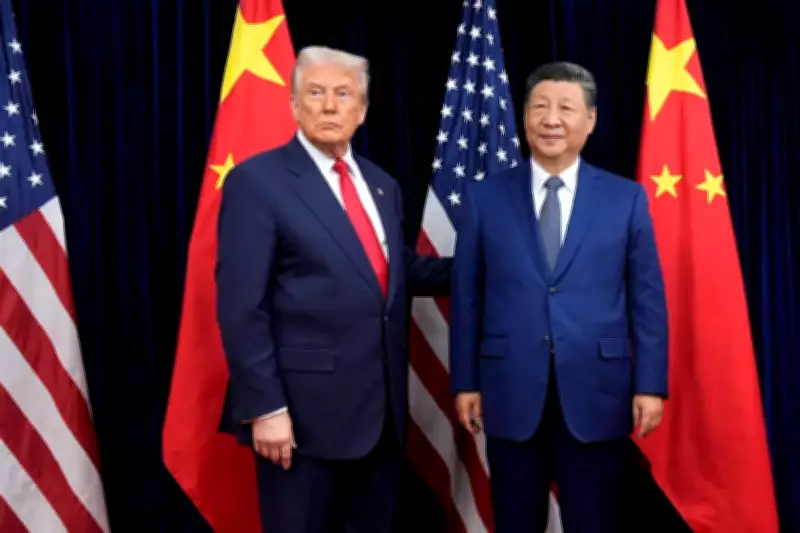
Trump Issues Trade Warning to Canada, Reveals Iran Talks with Chinese Leader
In a significant development affecting international relations, former U.S. President Donald Trump has publicly cautioned Canada against pursuing a free trade agreement with China, threatening a substantial response if such a deal is signed. This warning comes alongside Trump's revelation that he has discussed the Iran situation with Chinese President Xi Jinping, as the United States intensifies efforts to persuade Beijing and other nations to isolate Tehran on the global stage.
Geopolitical Tensions and Trade Implications
The dual statements from Trump highlight the interconnected nature of trade and foreign policy, particularly concerning Canada's economic decisions and the broader U.S. strategy toward Iran. By linking Canada's potential trade moves with China to consequences, Trump underscores the ongoing geopolitical rivalries that shape North American and Asian relations. His discussion with Xi Jinping about Iran suggests a continued U.S. focus on curbing Iranian influence, despite changes in administration, and indicates attempts to engage major powers like China in these efforts.
Context and Canadian Considerations
For Canada, this warning adds complexity to its trade diversification strategy, as balancing relationships with both the U.S. and China remains a delicate diplomatic challenge. The threat of a substantial response from the U.S. could influence Canadian policymakers weighing the benefits of enhanced trade with China against potential repercussions from its southern neighbor. Meanwhile, Trump's Iran talks with Xi reflect the persistent U.S. push for multilateral pressure on Tehran, a policy that has seen varying levels of international cooperation over the years.

This news emerges amid a backdrop of other domestic and international stories, but the focus on Trump's statements underscores their potential impact on Canada's economic and foreign policy directions. As global dynamics evolve, such warnings and discussions may shape future trade negotiations and diplomatic alignments in the region.






