

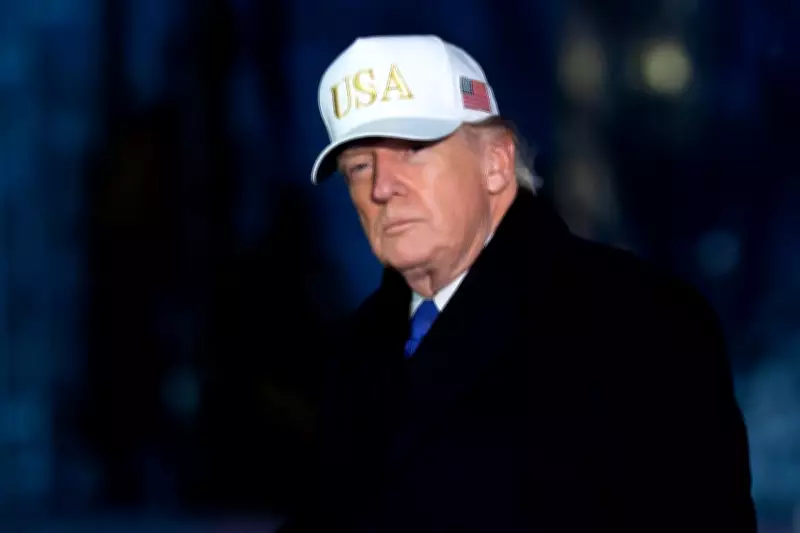
Trump Administration Announces Major Tariff Reduction for India After Oil Agreement
In a significant development for international trade, the administration of President Donald Trump has revealed plans to substantially lower tariffs on goods imported from India. The proposed reduction would bring the tariff rate down to 18%, a move directly linked to India's recent commitment to halt its purchases of Russian oil.
Strategic Trade Shift Follows Geopolitical Realignment
The decision represents a strategic recalibration of United States trade policy toward one of Asia's largest economies. This tariff reduction comes as a direct response to India's agreement to stop buying Russian oil, a development that aligns with broader Western efforts to isolate Russia economically following its ongoing military actions in Ukraine.
The timing of this announcement is particularly noteworthy, coming just days after President Trump's arrival at the White House on February 1, 2026. The administration appears to be moving quickly to implement this policy change, which could have substantial implications for bilateral trade relations between the United States and India.

Economic Implications and Market Reactions
This tariff reduction is expected to have several immediate effects:
- Lower prices for American consumers on Indian-made goods
- Increased market access for Indian exporters to the United States
- Potential shifts in global supply chains as trade patterns adjust
- Possible competitive pressure on other trading partners
The 18% tariff rate represents a significant decrease from previous levels, though specific details about which product categories will be affected and the timeline for implementation have not yet been fully disclosed. Trade analysts suggest this could particularly benefit sectors such as textiles, pharmaceuticals, and manufactured goods where India has strong export capabilities.
Broader Context of International Relations
This development occurs against a backdrop of complex international dynamics. India's decision to stop purchasing Russian oil marks a notable shift in its foreign policy, potentially reflecting growing alignment with Western positions on global security matters. The reciprocal tariff reduction by the Trump administration suggests a willingness to reward such geopolitical realignments with economic incentives.
The agreement also highlights the continuing evolution of global energy markets, as countries reassess their energy security strategies and supplier relationships in response to ongoing geopolitical tensions.
As this trade policy change moves toward implementation, market watchers will be monitoring several key indicators, including:
- The specific timeline for tariff reduction implementation
- India's compliance with its commitment regarding Russian oil
- Potential reactions from other trading partners affected by this shift
- Long-term impacts on US-India economic relations
This development represents one of the more significant trade policy announcements from the Trump administration in recent months and could signal a new phase in US-India economic cooperation.






