

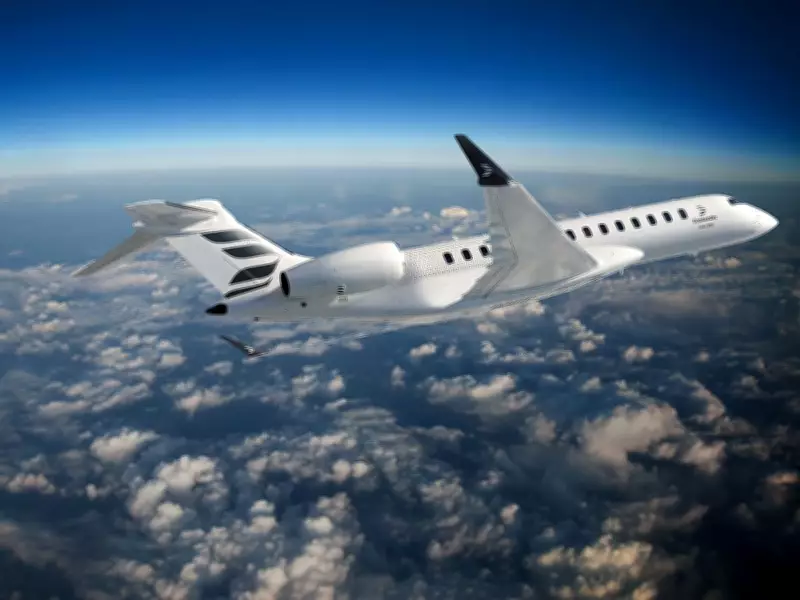
Trump Targets Canadian Aviation with Tariff and Decertification Threats
U.S. President Donald Trump has escalated trade tensions with Canada by threatening to impose a 50 percent tariff on all Canadian aircraft sold in the United States and decertify new planes manufactured in Canada. This move comes as a response to what Trump describes as Canada's refusal to certify Gulfstream jets, a unit of General Dynamics Corp.
Details of the Presidential Ultimatum
In a social media post on Thursday, Trump accused Canada of wrongfully and illegally refusing to certify the Gulfstream 500, 600, 700, and 800 jets. He stated that the U.S. would decertify Bombardier Global Express aircraft and all other planes made in Canada until Gulfstream receives full certification. Trump claimed that Canada is effectively blocking Gulfstream sales through its certification process, warning that failure to resolve the issue immediately would result in the hefty tariff.
A White House official clarified that the decertification would only apply to new aircraft, sparing those already in operation. However, the mechanism for such decertification remains unclear, as it typically relates to safety concerns rather than trade disputes. Gulfstream has not yet responded to requests for comment on the matter.

Impact on Bombardier and U.S. Airlines
Bombardier Inc., a Canadian plane maker, is particularly vulnerable to these threats. More than half of its global fleet of over 5,200 aircraft operates in the U.S., including the widely used CRJ family of regional jets. American Airlines Group Inc. had about 200 CRJs in its regional fleet last year, while Delta Air Lines Inc.'s regional partners operated nearly 180 of these aircraft.
In a statement, Bombardier acknowledged Trump's post and confirmed it is in contact with the Canadian government. The company expressed hope for a swift resolution to avoid significant disruptions to air traffic and the flying public. Aviation analyst Richard Aboulafia criticized the move, questioning Trump's authority and warning that interfering with safety certification processes is a bad idea.
Industry and Government Reactions
Canadian government officials have not immediately commented on the situation. The Federal Aviation Administration (FAA), responsible for U.S. aircraft certification, referred inquiries to the White House. The Regional Airline Association stated it is unaware of any grounded aircraft among its members and deferred questions to the FAA.
Delta Air Lines declined to comment while seeking to understand the announcement better. SkyWest Inc., the largest operator of Canadian-made jets in the U.S., said it was not aware of imminent regulatory action. Trump's allegations follow Gulfstream's announcement in April last year that it received certification from the FAA and the European Union's aviation regulator for its G800 model.
This development highlights ongoing trade frictions and could have far-reaching implications for the aviation industry, affecting manufacturers, airlines, and passengers on both sides of the border.






