

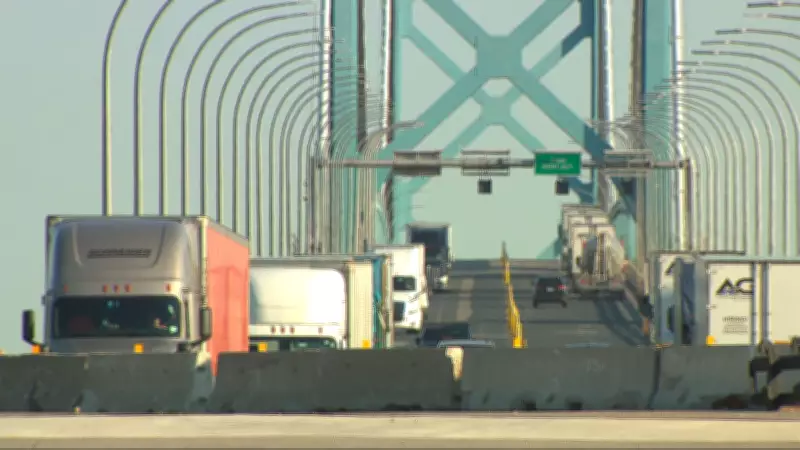
Reopened Trade Negotiations Signal Hope Amid Trump's Tariff Policies
The recent reopening of trade negotiations between the United States and Canada has injected a sense of optimism into the Canadian business community, which has been grappling with the economic uncertainties stemming from former U.S. President Donald Trump's tariff policies. This development comes as a potential lifeline for sectors that have faced disruptions, including those affected by the stalled Gordie Howe Bridge project, a critical infrastructure initiative that has been entangled in cross-border political tensions.
Business Reactions to Renewed Dialogue
Canadian businesses, particularly those in manufacturing, retail, and logistics, are cautiously welcoming the resumption of trade talks. Many have expressed relief at the prospect of easing tariff burdens that have inflated costs and complicated supply chains since their implementation. The Gordie Howe Bridge, intended to enhance trade flow between Windsor, Ontario, and Detroit, Michigan, has been a focal point of concern, with its progress hindered by U.S. political maneuvers. Industry leaders highlight that a successful negotiation could not only reduce tariffs but also expedite such infrastructure projects, fostering smoother bilateral trade.
Economic Implications and Challenges
The tariffs, initially imposed as part of broader U.S. trade strategies, have had a tangible impact on Canadian exports, leading to increased prices for consumers and strained business margins. Experts note that while the reopening of negotiations is a positive step, significant hurdles remain, including addressing non-tariff barriers and ensuring long-term stability in trade relations. The involvement of key stakeholders, such as the billionaire owner of the Ambassador Bridge, who reportedly met with Trump officials, underscores the complex interplay of private interests and public policy in these discussions.

In parallel, other economic factors, such as fluctuating home sales and construction forecasts in regions like Windsor, add layers to the broader business landscape. However, the renewed diplomatic engagement offers a glimmer of hope for mitigating these challenges and revitalizing cross-border economic activities.
Looking Ahead: Prospects for Resolution
As talks progress, Canadian officials and business advocates are emphasizing the importance of a fair and balanced agreement that protects domestic industries while promoting free trade. The outcome could influence not only tariff rates but also broader issues like environmental regulations and labor standards, reflecting evolving priorities in both nations. With the Gordie Howe Bridge symbolizing the physical and economic connections at stake, its eventual completion may serve as a barometer for the health of U.S.-Canada relations in the post-Trump era.
In summary, the reopening of trade negotiations marks a critical juncture for Canadian businesses seeking relief from tariff-induced pressures. While uncertainties persist, the dialogue represents a crucial opportunity to forge a more cooperative and prosperous trade framework between the two neighboring countries.






