

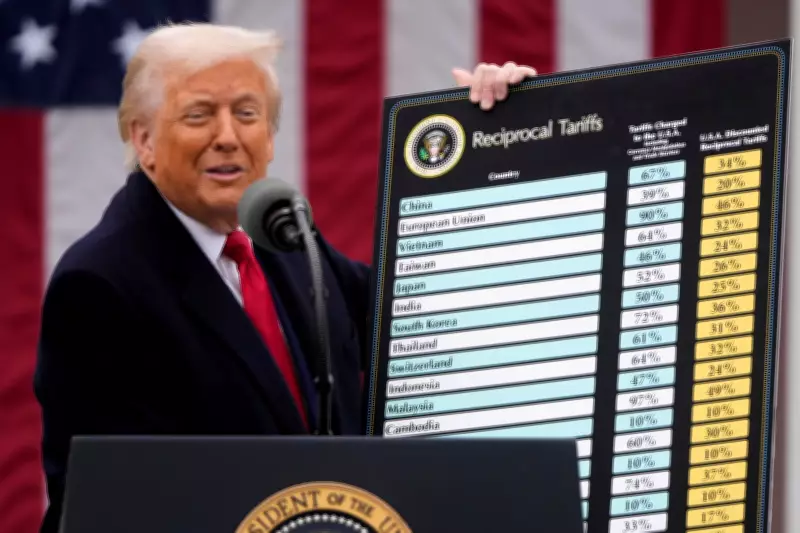
Trump Launches New Tariff Process After Supreme Court Overturns Previous Framework
In a significant development for U.S. trade policy, President Donald Trump has officially commenced a new administrative process aimed at reinstating tariffs that were recently struck down by the United States Supreme Court. This action underscores the administration's persistent commitment to an assertive trade agenda, despite judicial setbacks.
Judicial Rejection and Executive Response
The Supreme Court's ruling, which declared the previous tariff structure unconstitutional, presented a major obstacle to the White House's economic strategy. However, President Trump has moved swiftly to circumvent this legal barrier by initiating a fresh procedural pathway. This new process is designed to establish a revised legal foundation for imposing similar trade levies, potentially affecting billions of dollars in imported goods.
The administration argues that robust tariffs are essential for protecting American industries and workers from unfair international competition. Critics, however, contend that such measures could lead to increased consumer prices, trade retaliation from other nations, and broader economic instability. The legal and economic ramifications of this renewed effort are expected to be closely monitored by markets and policymakers alike.

Broader Implications for Trade and Economy
This move is not occurring in a vacuum. It reflects ongoing tensions in global trade relations and domestic debates over economic sovereignty. The specific details of the new tariff framework, including which industries and countries might be targeted, are anticipated to be unveiled in the coming weeks as the administrative procedure advances.
Analysts suggest that the success of this initiative will heavily depend on its adherence to statutory authority and its ability to withstand potential future legal challenges. The situation highlights the complex interplay between executive power, judicial oversight, and legislative intent in shaping national trade policy.
As the process unfolds, stakeholders from various sectors—including manufacturing, agriculture, and retail—are preparing for possible disruptions. The outcome could significantly influence the direction of U.S. international trade for years to come, setting important precedents for how trade disputes are managed under American law.






