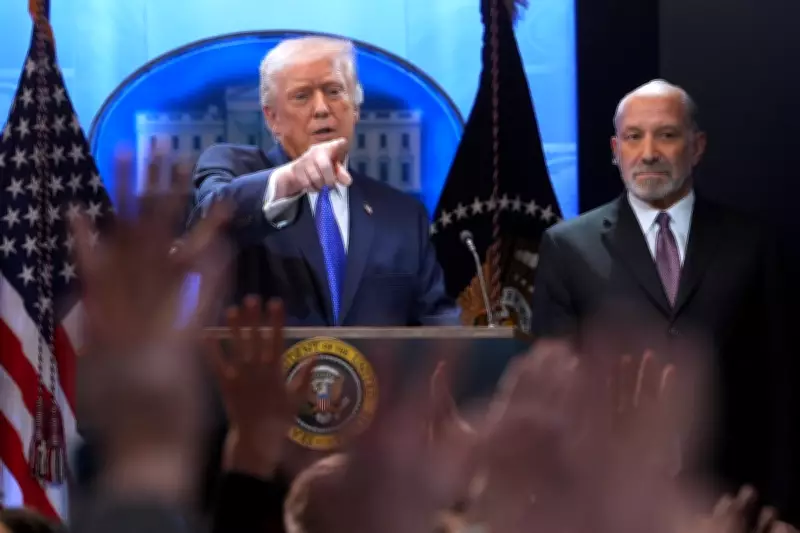
Trump Announces Major Global Tariff Increase from 10% to 15%
In a significant development for international trade, President Donald Trump has declared a substantial hike in the worldwide tariff rate. The tariff, previously set at 10 percent, will now be increased to 15 percent, marking a notable shift in global economic policy.
White House Press Briefing Details
The announcement was made during a press briefing at the White House on Friday, February 20, 2026. President Trump addressed reporters alongside Commerce Secretary Howard Lutnik, emphasizing the administration's commitment to revising trade agreements and protecting domestic industries.
This tariff adjustment represents a 50 percent increase from the previous rate, potentially impacting numerous sectors across the global economy. The move comes as part of the Trump administration's ongoing efforts to renegotiate trade terms with international partners and address perceived imbalances in commerce.

Potential Global Economic Implications
Economic analysts are closely monitoring the situation, as this tariff increase could have far-reaching consequences for:
- International supply chains and manufacturing
- Consumer prices for imported goods
- Diplomatic relations with trading partners
- Global stock markets and investment patterns
The timing of this announcement, coming just one day before the official statement on February 21, 2026, suggests the administration is moving quickly to implement these changes. Commerce Secretary Lutnik's presence at the briefing indicates the Department of Commerce will play a crucial role in executing and monitoring the new tariff structure.
Historical Context and Future Outlook
This latest development follows previous tariff adjustments implemented during Trump's presidency. The increase from 10 to 15 percent represents one of the more substantial single adjustments to global trade policy in recent years.
As nations and businesses worldwide assess the implications of this policy shift, attention now turns to how trading partners will respond and what measures might be implemented to mitigate potential economic disruptions. The coming weeks are likely to see increased diplomatic activity as countries seek to understand the full scope of these changes and their specific impacts on bilateral trade relationships.