

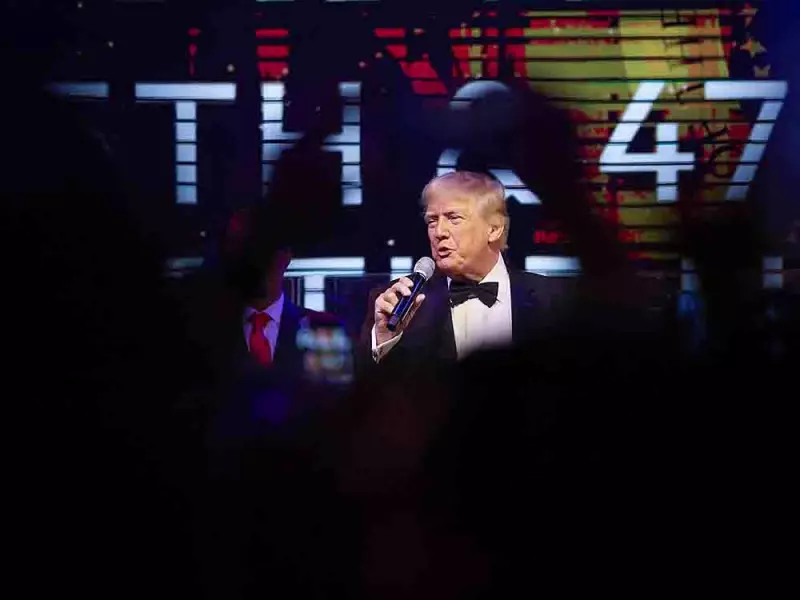
In a move that offers temporary relief to consumers and importers, U.S. President Donald Trump has officially postponed a significant increase in tariffs on key household goods, including upholstered furniture and kitchen cabinets. The decision, announced as the President hosted a New Year's Eve celebration at his Mar-a-Lago estate in Florida, pushes the effective date of the higher levies from January 1, 2026, to January 1, 2027.
A Strategic Pause on Import Levies
The White House released a fact sheet detailing the presidential proclamation late on Wednesday. This action delays a previously scheduled hike that would have seen tariffs on certain upholstered wooden furniture jump from 25% to 30%, and levies on kitchen cabinets and vanities skyrocket from 25% to 50%. For now, the existing 25% tariff rate will remain in place.
This decision arrives against a backdrop of persistent voter frustration over the cost of living and high price levels, suggesting the administration is calibrating its aggressive trade policy with political and economic realities. The delay provides a one-year window for continued negotiations and potential adjustments.

Ongoing Negotiations and Future Implications
According to the official White House statement, the United States "continues to engage in productive negotiations with trade partners" to resolve issues related to trade reciprocity and national security concerns surrounding wood product imports. This language strongly implies that the administration is using the delay as leverage to seek new trade agreements, which could potentially lead to further deferrals or modifications of the planned tariff increases.
The original directive for the tariff hikes was established in a September proclamation. The new 2027 deadline sets a clear but distant marker for businesses involved in manufacturing, retail, and importing these goods, offering them additional time to plan supply chains and pricing strategies. For Canadian exporters and the broader North American furniture and cabinetry market, this reprieve is significant, though the long-term threat of steep tariffs remains on the horizon.
The postponement underscores the complex balancing act in trade policy, where geopolitical goals, domestic economic pressures, and consumer sentiment frequently collide. All stakeholders will be closely watching the outcome of the "productive negotiations" cited by the White House in the coming months.






