

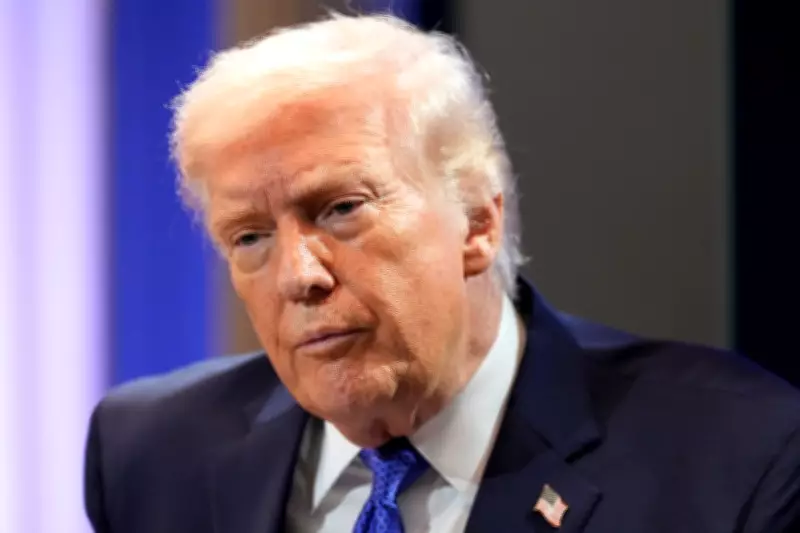
In a bold move that defies judicial authority, former U.S. President Donald Trump has announced plans to escalate global tariffs from 10 percent to 15 percent. This declaration comes just days after the United States Supreme Court issued a ruling declaring such tariffs unlawful, setting the stage for a significant constitutional and economic confrontation.
A Defiant Stance Against Judicial Oversight
President Trump remains unwavering in his commitment to aggressive trade policies, despite the Supreme Court's clear legal judgment. The court's decision, delivered on Friday, explicitly stated that the imposition of these broad tariffs exceeds presidential authority and violates established trade laws. Nevertheless, Trump has publicly vowed to proceed with the increase, framing it as a necessary measure to protect American industries and workers from what he describes as unfair international competition.
Implications for Global Trade and Diplomacy
The proposed tariff hike is expected to have profound ripple effects across the global economy. International trade partners, including close allies and economic competitors, are likely to respond with retaliatory measures, potentially sparking a new wave of trade disputes. Economists warn that such an escalation could lead to increased consumer prices, supply chain disruptions, and heightened market volatility worldwide.

Legal experts are questioning the feasibility of implementing these tariffs following the Supreme Court's ruling. The judiciary's decision creates a substantial legal barrier, and any attempt to enforce the increased rates may face immediate legal challenges from affected industries, foreign governments, and domestic political opponents.
Political and Economic Context
This development occurs within a complex political landscape, as Trump positions himself for potential future electoral campaigns. The tariff announcement serves as a reaffirmation of his "America First" economic philosophy, which prioritizes domestic manufacturing and seeks to reduce trade deficits. However, critics argue that such policies historically lead to trade wars that ultimately harm the very workers they aim to protect.
The timing is particularly sensitive, given ongoing international negotiations and existing trade agreements that could be undermined by unilateral tariff increases. Market analysts are closely monitoring the situation, anticipating potential shifts in currency valuations and investment patterns as uncertainty grows.
Broader Reactions and Future Scenarios
Reactions from Capitol Hill have been sharply divided along partisan lines. Supporters of the former president applaud his willingness to challenge what they view as judicial overreach, while opponents condemn the move as an assault on the rule of law and the separation of powers. Congressional leaders are expected to hold emergency sessions to discuss legislative responses, including potential measures to reinforce or countermand the tariff authority.
International responses have begun to emerge, with several trading partners expressing deep concern and preparing contingency plans. The European Union, China, and Canada are among those likely to be most directly affected, given their substantial trade volumes with the United States. Diplomatic channels are reportedly active as nations seek clarity and attempt to mitigate potential economic fallout.
As this situation unfolds, the core conflict between executive action and judicial review takes center stage. The coming weeks will determine whether Trump's tariff increase can be implemented amidst legal challenges, or if the Supreme Court's ruling will stand as a definitive check on presidential trade powers. The outcome will have lasting implications for U.S. trade policy, international relations, and the balance of power within the American government.






