

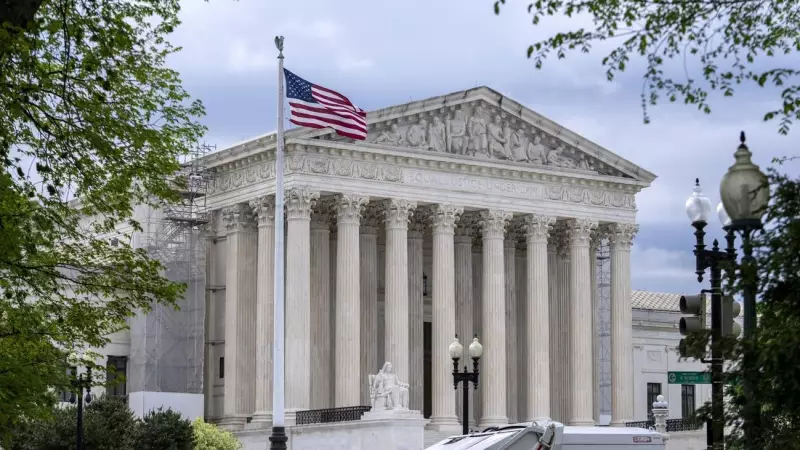
The United States Supreme Court is preparing to issue a series of rulings, with one highly anticipated case concerning tariffs imposed during the Trump administration still awaiting a decision. The court's docket remains active, and legal observers are closely watching for outcomes that could reshape aspects of American policy.
The Pending Tariffs Case
Among the pending matters before the highest court in the U.S. is a significant case related to tariffs established under former President Donald Trump. The legal challenge questions the authority and implementation of these trade measures, which have had far-reaching effects on global commerce. The Supreme Court's ruling on this case is expected to provide crucial clarity on presidential power in matters of international trade and could set a precedent for future administrations.
The specifics of the case delve into the legal boundaries of executive action on trade policy. A decision is imminent as the court continues to work through its current session.

Broader Context of the Court's Term
The Supreme Court's current term features a range of consequential cases beyond the tariffs issue. The justices are tasked with interpreting complex laws and constitutional questions, with their decisions holding the power to influence national policy for years to come. The timing of these rulings is always a focal point for legal experts, policymakers, and the business community, all of whom analyze the potential impacts.
The court, located on Capitol Hill in Washington, operates on its own schedule, typically releasing opinions on scheduled days until the term concludes in late June or early July. The pending tariffs case is just one of several high-profile disputes awaiting resolution.
Implications for Trade and Policy
The outcome of the tariffs case is particularly relevant for international trade relations and economic sectors affected by the duties. A ruling could either uphold the broad use of executive authority in imposing such tariffs or constrain it, thereby affecting how future trade disputes are managed. This has direct and indirect consequences for trading partners, including Canada, where industries like agriculture and manufacturing have been impacted by U.S. trade policies in the past.
For Canadian observers and businesses with cross-border interests, the Supreme Court's decision will be a key indicator of the stability and direction of U.S. trade law. It underscores the interconnected nature of North American economies and the importance of judicial review in trade policy.
As the nation awaits these rulings, the spotlight remains on the nine justices whose interpretations of the law will settle these pressing legal debates. The decision on the Trump-era tariffs case will mark a significant moment in defining the scope of trade presidential powers.






