U.S. Supreme Court Rejects Trump's Emergency Tariff Powers in Landmark Ruling
In a significant legal setback for the Trump administration, the United States Supreme Court has ruled against President Donald Trump's attempt to use emergency powers to implement sweeping international trade tariffs. The decision, announced on February 20, 2026, directly challenges a central component of the administration's economic policy framework.
Judicial Check on Executive Authority
The ruling represents a powerful judicial check on presidential authority in matters of international commerce. President Trump had sought to leverage emergency powers to bypass congressional approval for imposing new tariffs, arguing that such measures were necessary for national economic security. However, the Supreme Court's majority opinion found that this use of executive power exceeded statutory limits and undermined the constitutional balance of powers.
The court's decision comes at a critical juncture in U.S. trade policy, as the administration has increasingly turned to tariffs as a primary tool in international negotiations. Legal experts suggest this ruling may establish important precedents limiting future presidents' ability to unilaterally impose trade restrictions without legislative approval.

White House Reaction and Policy Implications
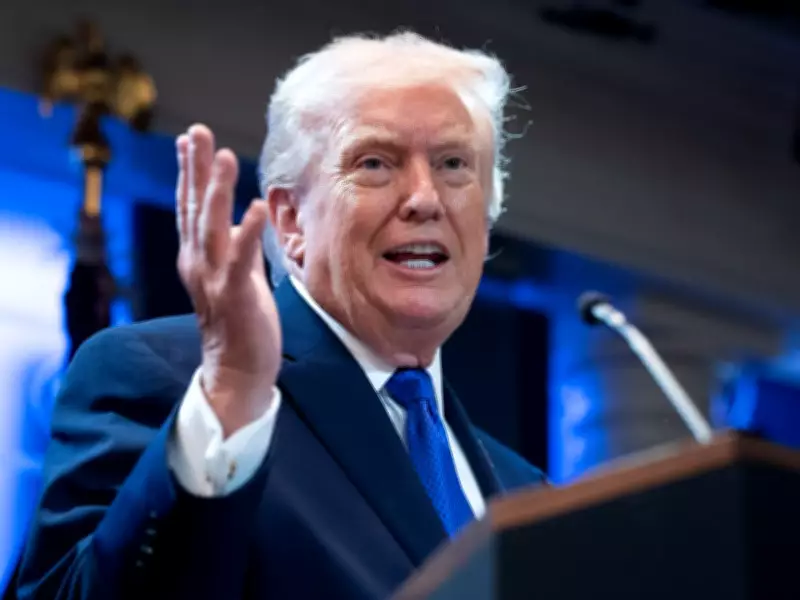
Following the announcement, President Trump held a press briefing at the White House where he expressed strong disagreement with the court's decision. The ruling effectively clips the administration's ambitions to rapidly implement tariff policies that had been positioned as central to its "America First" economic agenda.
This judicial intervention comes after years of debate about the appropriate scope of presidential power in trade matters. The administration had argued that global economic conditions and perceived unfair trade practices justified the emergency use of tariff authority, but the Supreme Court found insufficient legal basis for this approach.
Broader Context and International Ramifications
The decision has immediate implications for U.S. trade relationships worldwide. Many trading partners had expressed concern about the potential for unilateral tariff impositions without congressional oversight. The ruling may force the administration to pursue tariff policies through more traditional legislative channels, potentially slowing implementation but providing greater procedural legitimacy.
Legal scholars note that this case represents one of several recent instances where courts have pushed back against expansive interpretations of executive authority. The ruling underscores ongoing tensions between different branches of government regarding the boundaries of presidential power in economic policy matters.
As the administration considers its next steps, the Supreme Court's decision stands as a reminder of the constitutional constraints on executive action, even in areas traditionally granted significant presidential discretion like international trade and national security.