

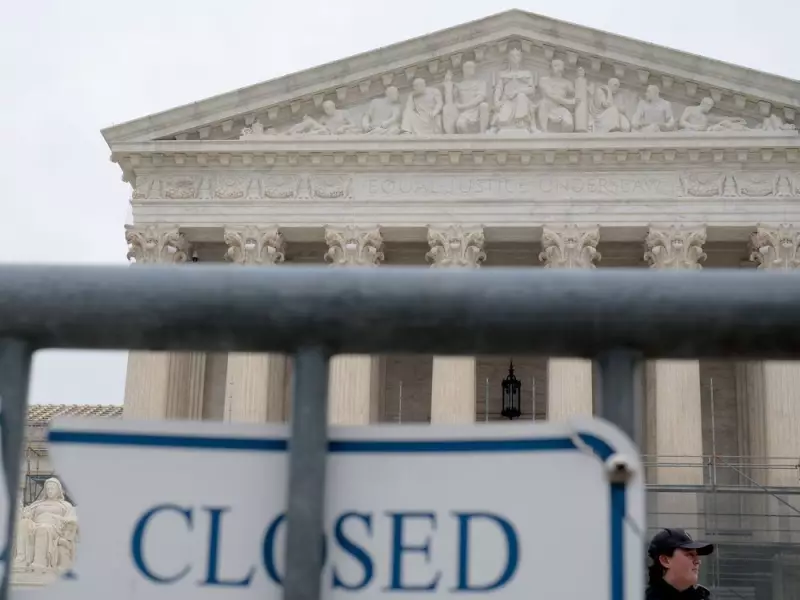
U.S. Supreme Court Postpones Tariff Decision, Extending Legal Uncertainty
The United States Supreme Court has once again declined to issue a ruling on former President Donald Trump's controversial tariff policies, ensuring that the legal challenge to his signature economic measures will remain unresolved for at least another month. The court's inaction on Tuesday means that American businesses must continue waiting for clarity on tariffs that have sparked significant debate and financial implications.
Timeline for Resolution Pushed to Late February
With the Supreme Court preparing to enter a four-week recess, the next potential opportunity for a tariff decision has been pushed to February 20, according to the court's standard procedures for releasing opinions. This extended timeline prolongs the uncertainty surrounding Trump's "Liberation Day" tariffs, which imposed levies ranging from 10 to 50 percent on most imports when implemented on April 2.
The delayed ruling affects not only domestic tariffs but also duties imposed on Canada, Mexico, and China that were justified under the premise of addressing fentanyl trafficking concerns. The court's expedited handling of the case had initially raised expectations among tariff opponents for a swift resolution, but those hopes have now been deferred.

Potential Financial Implications for American Businesses
A ruling against Trump could have monumental financial consequences, potentially opening the door for more than US$130 billion in refunds to American businesses that have paid these tariffs. This represents what would be Trump's most significant legal defeat since returning to the White House, with implications that extend beyond domestic economic policy.
The Supreme Court's deliberations come amid broader questions about presidential authority. Arguments presented on November 5 revealed that a majority of justices expressed skepticism about whether Trump had the legal authority to impose these tariffs under a 1977 law that grants the president special powers during emergency situations.
Broader Implications for International Trade Relations
The pending decision could also undermine Trump's threat to impose additional tariffs on European countries that have resisted his attempts to take control of Greenland. Notably, Trump has not specified what legal authority he would invoke to justify these potential duties, adding another layer of complexity to the international trade landscape.
While the justices will hear arguments on Wednesday regarding Trump's effort to remove Federal Reserve Governor Lisa Cook from her position, the court has confirmed it will not release any opinions during this session. Following Wednesday's proceedings, the next formal Supreme Court session isn't scheduled until February 20, ensuring that the tariff question will remain in legal limbo for weeks to come.
The Supreme Court typically issues opinions in argued cases from the bench, making the February date the next logical opportunity for a ruling. This extended timeline gives both supporters and opponents of the tariffs additional time to prepare for potential outcomes that could reshape American trade policy and international economic relations.






