

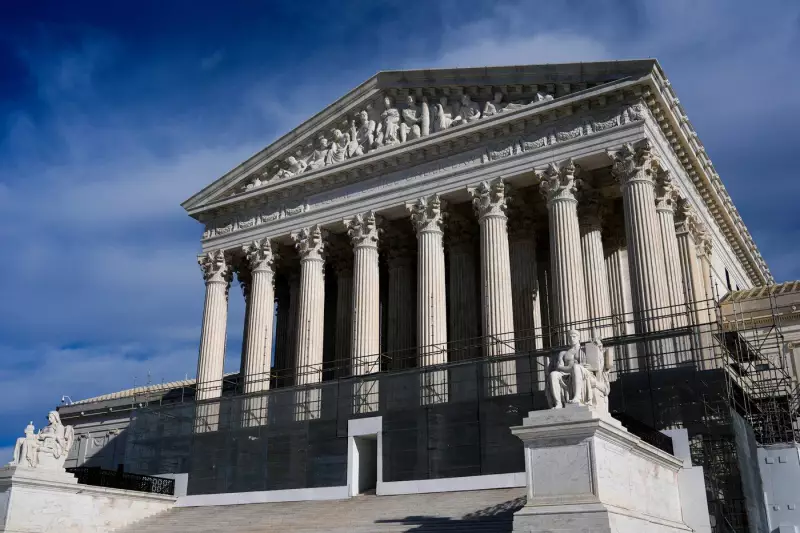
The U.S. Supreme Court left a major trade policy question unanswered on Wednesday, January 14, 2026, as it declined to issue a ruling on the legal challenge to former President Donald Trump's global tariffs. While the court released three other decisions, the high-profile dispute over the tariffs' legality remains pending, continuing a period of uncertainty for international trade relations.
Details of the Pending Case
The case before the justices centers on the legality of sweeping tariff measures implemented during the Trump administration. These tariffs, which applied to billions of dollars worth of goods from numerous trading partners, have been the subject of intense legal and political debate since their inception. The Supreme Court's decision to hold off on a ruling means the legal cloud over these trade policies persists. The court provided no immediate explanation for the delay, nor did it indicate when a decision might be forthcoming.
Implications for Trade and Policy
The absence of a ruling maintains the status quo, leaving lower court decisions in place for the time being. This ongoing legal ambiguity has significant ramifications for businesses, particularly those involved in cross-border trade with the United States. For Canadian exporters and policymakers, the Supreme Court's ultimate decision will be critical, as the tariffs have directly impacted a wide range of Canadian industries. The delay underscores the complex constitutional and international trade questions at the heart of the case, which the justices are evidently taking considerable time to deliberate.

Legal experts suggest the court's caution reflects the monumental scale of the case, which could redefine presidential authority over trade policy. The outcome will set a precedent affecting how future administrations can use tariff powers. Until the Supreme Court speaks definitively, the threat of legal reversal or validation for the tariffs remains a key variable in North American economic planning.






