British Labour leader Keir Starmer has issued a stark warning against escalating global trade tensions, stating that a trade war is in no one's interest. His comments come directly in response to former U.S. President Donald Trump's recent threat to impose tariffs related to Greenland.
The Trigger: Trump's Greenland Gambit
The diplomatic and economic friction was ignited by Donald Trump's renewed push to purchase Greenland from Denmark, a long-standing ambition from his first term. Reports indicate that Trump has now coupled this ambition with a threat of significant tariffs, a move interpreted as economic pressure to force a sale of the strategically important Arctic territory.
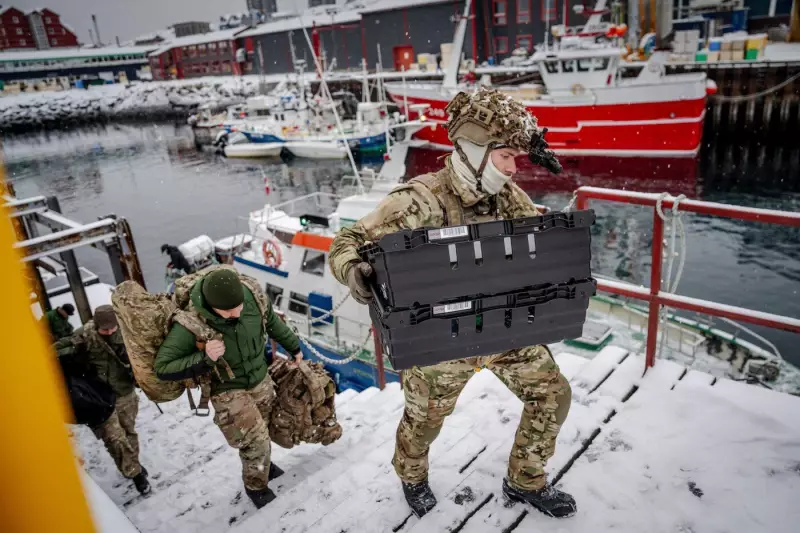
The situation has drawn concern from international observers, including former Bank of England Governor Mark Carney, who was quoted as being 'concerned' about U.S. escalating efforts in the region. The backdrop includes images of Danish military presence in Nuuk, Greenland's capital, underscoring the geopolitical significance of the island.

Starmer's Call for Calm and Cooperation
In his statement, Keir Starmer emphasized the mutual harm caused by trade wars. "A trade war is in no one's interest," Starmer declared, advocating for diplomatic resolution and cooperative international frameworks instead of punitive economic measures. His intervention highlights the potential ripple effects such a dispute could have on global markets and alliances beyond the immediate U.S.-Denmark standoff.
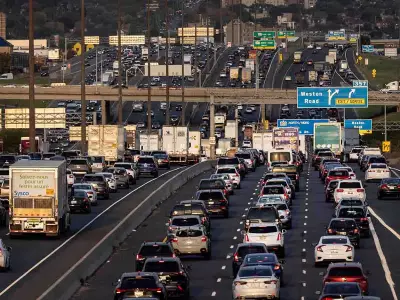
Analysts suggest that for Canada, a close neighbor and major trade partner of the United States, these developments are particularly salient. Any shift in U.S. trade policy or escalation in economic nationalism can have direct consequences for Canadian exports and cross-border supply chains. The incident raises broader questions about the stability of international trade norms.
Broader Implications for Global Trade
This episode is seen as a potential precursor to the kind of unilateral trade policies that characterized the previous Trump administration. For nations like Canada, which navigated tough negotiations over the USMCA during that era, the threat of renewed tariff battles is a cause for economic planning and diplomatic vigilance.
The focus on Greenland also spotlights the increasing strategic competition in the Arctic, where melting ice is opening new shipping routes and access to resources. Control or influence over Greenland is thus not merely a territorial issue but one with long-term environmental, economic, and security dimensions.
Starmer's warning serves as a reminder of the interconnectedness of the global economy. As political figures and experts weigh in, the consensus among many is that sustained dialogue and adherence to multilateral rules offer a more stable path forward than the threat of tariffs and economic conflict.