

U.S. Senators Voice Support for Trade Pact as Trump Casts Doubt on CUSMA's Future
In a notable display of bipartisan unity, U.S. senators have recently expressed strong support for the Canada-United States-Mexico Agreement (CUSMA), even as former President Donald Trump questions the pact's longevity and effectiveness. This development underscores the complex political landscape surrounding North American trade relations, with key lawmakers advocating for stability while Trump's criticisms inject uncertainty into the dialogue.
Bipartisan Backing in the Senate
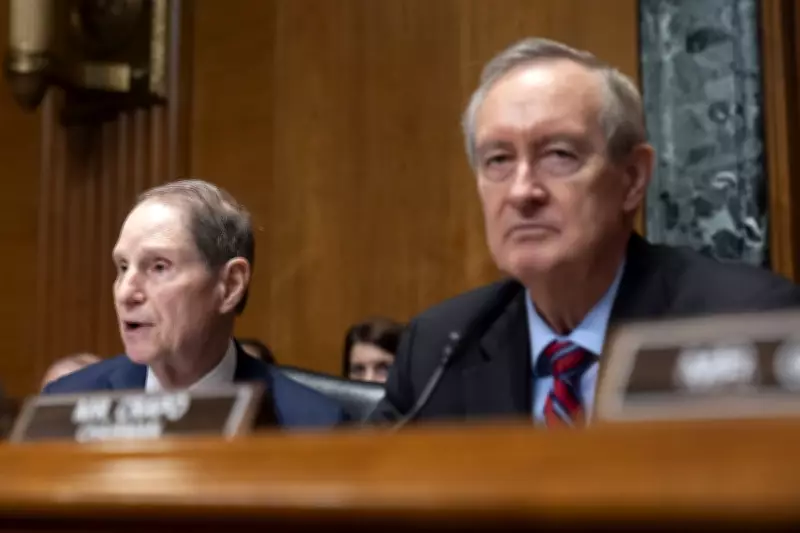
During recent hearings and public statements, senators from both major parties have emphasized the importance of CUSMA, which replaced NAFTA in 2020. Ranking member Sen. Ron Wyden, a Democrat from Oregon, and committee chairman Sen. Mike Crapo, a Republican from Idaho, were among those highlighting the agreement's benefits during a Senate Finance Committee session. They argued that CUSMA has bolstered economic ties, supported jobs, and provided a framework for resolving trade disputes, urging continued adherence to its terms.
The senators' endorsements come at a critical time, as global trade tensions persist and domestic economic concerns mount. Their stance reflects a broader consensus in Congress that maintaining robust trade relationships with Canada and Mexico is vital for U.S. prosperity, particularly in sectors like agriculture, manufacturing, and energy.

Trump's Skepticism and Political Implications
Contrasting with this congressional support, former President Donald Trump has publicly questioned CUSMA's future, suggesting it may need renegotiation or could be undermined by current policies. Trump, who originally championed the agreement as a replacement for NAFTA, now voices doubts about its enforcement and long-term viability, potentially signaling a shift in his trade strategy if he returns to power.
This divergence highlights ongoing political rifts, with Trump's remarks resonating among his base and stirring debate over trade sovereignty. Analysts note that his criticisms could influence upcoming electoral campaigns and policy discussions, adding a layer of unpredictability to North American economic cooperation.
Broader Context and Economic Impact
The debate over CUSMA occurs against a backdrop of other trade-related news, such as U.S. lawmakers moving to block interference in projects like the Gordie Howe bridge and discussions on tariffs. Experts warn that Canada's economy remains heavily reliant on the U.S., making trade stability a pressing issue. Any disruption to CUSMA could have ripple effects, impacting supply chains, investment flows, and bilateral relations.
In summary, while U.S. senators rally behind CUSMA to ensure trade continuity, Trump's skepticism introduces potential challenges. This dynamic underscores the delicate balance between political posturing and economic pragmatism in shaping North America's trade future.






