

The Carney government's recent tariff policies are drawing sharp historical parallels to Sir John A. Macdonald's 19th-century National Policy, reigniting long-standing regional tensions by prioritizing Central Canadian manufacturing at the perceived expense of Western Canada.
A Historical Pattern Repeats
In 1879, Prime Minister John A. Macdonald's National Policy aimed to build a national railway, promote immigration, and shield Ontario and Quebec's nascent manufacturing sector with protective tariffs. While it fostered industry in the centre, western farmers bore the cost, forced to buy expensive protected equipment while selling their crops on competitive global markets. Today, the federal government is employing a similar playbook, implementing tariffs on imported manufactured goods like steel, aluminum, and electric vehicles to protect jobs in Ontario and Quebec.
The Steel Tariff: A Case Study in Regional Disparity
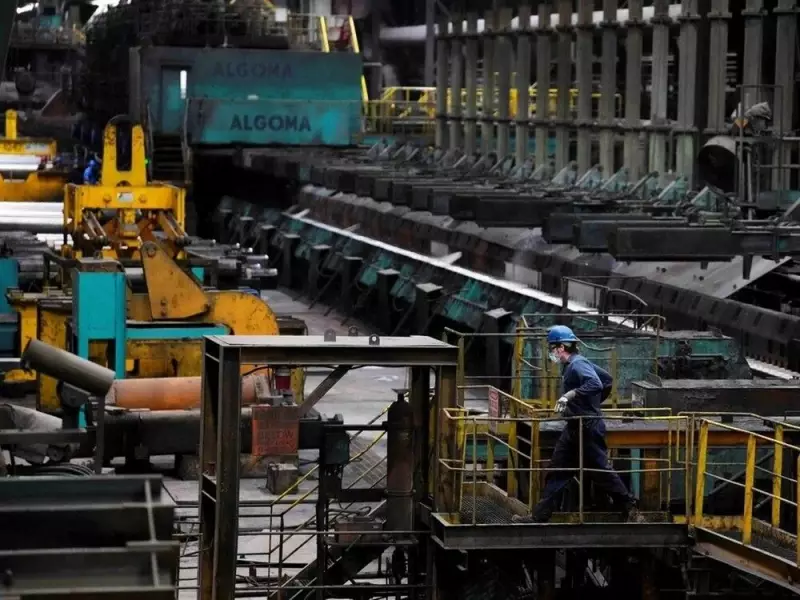
The economic and political fallout is clearest in the steel sector. After former U.S. President Donald Trump imposed 50% tariffs on Canadian steel, Ottawa responded with a suite of measures including quotas, a 25% tariff on steel derivatives, and counter-tariffs. This blocked over two million tonnes of imported steel, opening new domestic markets for Ontario producers.

However, these new markets are largely in British Columbia and Alberta, which traditionally import cheaper steel from Asia at roughly $50 per tonne. Shipping Ontario steel by rail to Vancouver adds $150 to $200 per tonne in transport costs. While Ottawa pledged a 50% rail subsidy, Canadian steel remains uncompetitive, and rail bottlenecks cause delays. The result is higher costs and slower progress for critical infrastructure projects in Western Canada.
A British Columbia cabinet minister bluntly assessed the policy as "made in Ontario for Ontario," leaving B.C. and Alberta to "pick up the tab." The resentment is compounded by a federal bailout of Algoma Steel, its third in 35 years, funded disproportionately by taxpayers across the country, including the West.
EV Tariffs and Agricultural Retaliation
The government's 2024 decision to match U.S. 100% tariffs on Chinese electric vehicles, intended to protect Central Canada's fledgling EV industry, has delivered another blow to Western interests. While aligning with U.S. national security concerns, the move provoked severe Chinese retaliation: tariffs on Canadian pork, seafood, and a crushing 100% tariff on canola products.
This exchange highlights a stark productivity conflict. Canada is a world leader in canola, with exports to China alone exceeding $4 billion. The protected EV industry, by contrast, faces weak North American sales, lacks international competitiveness, and is propped up by over $50 billion in taxpayer subsidies. As international trade lawyer Mark Warner noted, the policy asks farmers to "take it in the teeth" for an industry that isn't yet meaningfully producing in Canada, risking long-term market loss to competitors like Australia.
Ultimately, these protectionist measures conflict with Ottawa's stated goal of boosting Canada's weak productivity growth. By shielding specific Central Canadian industries from competition, the policies increase costs for other regions and sectors, stifling economic efficiency and fueling the deep-seated regional alienation that has plagued Confederation since the days of Sir John A. Macdonald.






