

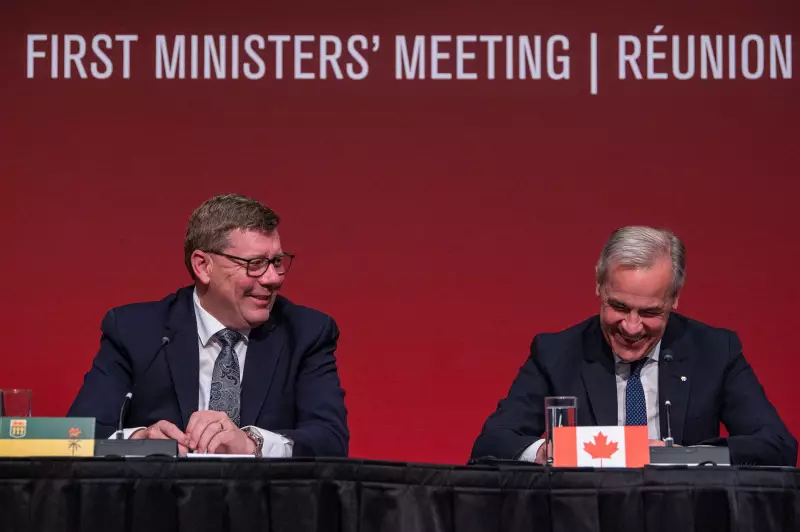
Saskatchewan Premier Scott Moe is set to join Prime Minister Mark Carney on an upcoming trade mission to China, a move that has sparked optimism among the province's key agricultural and resource producers. The mission aims to strengthen economic ties and address longstanding trade barriers affecting Canadian exports.
A Strategic Partnership for Market Access
The decision for Premier Moe to accompany the Prime Minister underscores the strategic importance of Saskatchewan's export economy to national trade objectives. The province is a major global supplier of commodities like potash, lentils, and canola, markets that have faced significant challenges and tariffs in China in recent years. This high-level delegation signals a concerted effort by the federal and provincial governments to collaboratively advocate for Canadian interests.
Producers across Saskatchewan have expressed cautious optimism about the mission. Industry representatives hope the direct engagement will lead to tangible progress on reducing non-tariff barriers and resolving phytosanitary disputes that have hampered agricultural trade. The mission is seen as a critical step in rebuilding a stable and predictable trade relationship with one of Canada's largest trading partners.

Navigating Complex Trade Waters
While officials have tempered expectations, noting that an immediate resolution to all Chinese tariffs is unlikely, the focus will be on making measurable progress. The goal is to secure incremental improvements and open dialogues that can lead to more substantial agreements in the future. The collaboration between Prime Minister Carney and Premier Moe is viewed as a powerful symbol of national unity on economic issues, presenting a cohesive front to Chinese officials.
The trade mission occurs against a backdrop of global economic uncertainty and shifting supply chains. For Saskatchewan, securing and expanding access to the Chinese market is vital for the prosperity of its resource and agricultural sectors. The involvement of the Premier ensures that the specific concerns and opportunities of the province's exporters are at the forefront of discussions.
Producer Optimism and Economic Implications
The announcement has been welcomed by producer groups who have long advocated for such high-level engagement. They argue that face-to-face diplomacy is essential for cutting through bureaucratic hurdles and fostering mutual understanding. Success in these talks could mean:
- Increased market stability for key exports like canola and pulses.
- Potential for new investment in Saskatchewan's resource and technology sectors.
- A stronger foundation for long-term, diversified trade beyond raw commodities.
As the delegation prepares for its journey, the eyes of Canada's agricultural and business communities will be on the outcomes. The mission represents a significant opportunity to turn a page on past trade difficulties and forge a more constructive and profitable economic partnership with China for the benefit of Saskatchewan and Canada as a whole.






