

Modi's U.S. Trade Agreement Draws Mixed Reactions in India
Indian Prime Minister Narendra Modi is receiving significant praise for securing a new trade deal with the United States, a move seen as bolstering economic ties between the two nations. However, the agreement is simultaneously facing sharp scrutiny from opposition parties and agricultural groups who question its potential impact on India's vital farming sector.
Economic Praise and Strategic Partnership
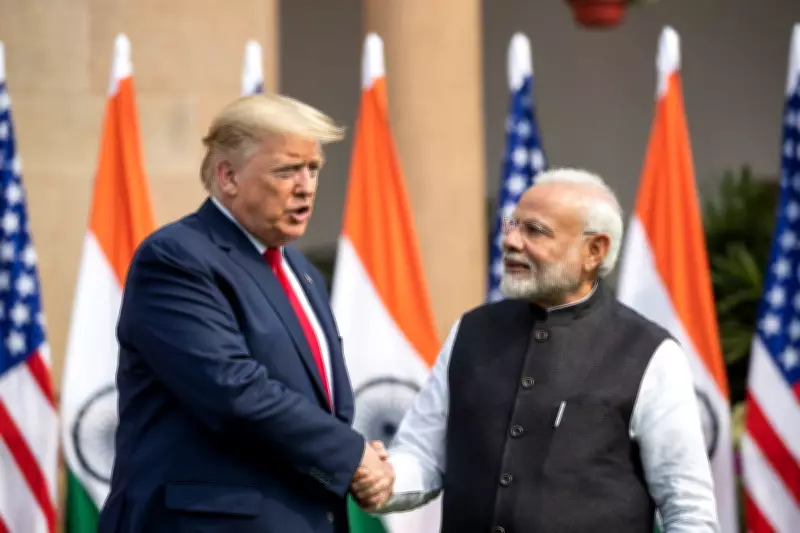
The trade pact, details of which are emerging, is being hailed by supporters as a strategic win for India's economy. Proponents argue it will enhance market access for Indian goods, attract foreign investment, and strengthen the country's position in global supply chains. The deal is framed as a continuation of efforts to deepen the U.S.-India partnership, a relationship highlighted by past meetings between leaders, such as the one between former U.S. President Donald Trump and Prime Minister Modi in New Delhi in 2020.
Agricultural Sector Faces Uncertainty
Despite the optimistic economic outlook, the opposition and agricultural advocates are raising alarms. Their primary concern centers on whether the terms of the agreement could disadvantage Indian farmers. Critics worry about increased competition from subsidized American agricultural imports, which might depress local prices and threaten the livelihoods of millions. There are also questions about intellectual property rights related to seeds and whether the deal adequately protects India's food security and sovereignty.

The debate underscores a classic tension in trade liberalization: balancing broad economic growth with the protection of sensitive domestic industries. For India, where agriculture employs nearly half the workforce, the stakes are particularly high.
A Political and Economic Crossroads
This development places Prime Minister Modi at a political crossroads. While he can tout the deal as a foreign policy and economic achievement, he must also navigate domestic pressures from a powerful agricultural constituency. The opposition's questioning is likely to intensify, making the implementation and long-term effects of the trade agreement a key issue for public discourse and policy evaluation in the coming months.
The outcome of this agreement will be closely watched, as it could set a precedent for future international trade negotiations involving India and other developing economies with large agricultural bases.






