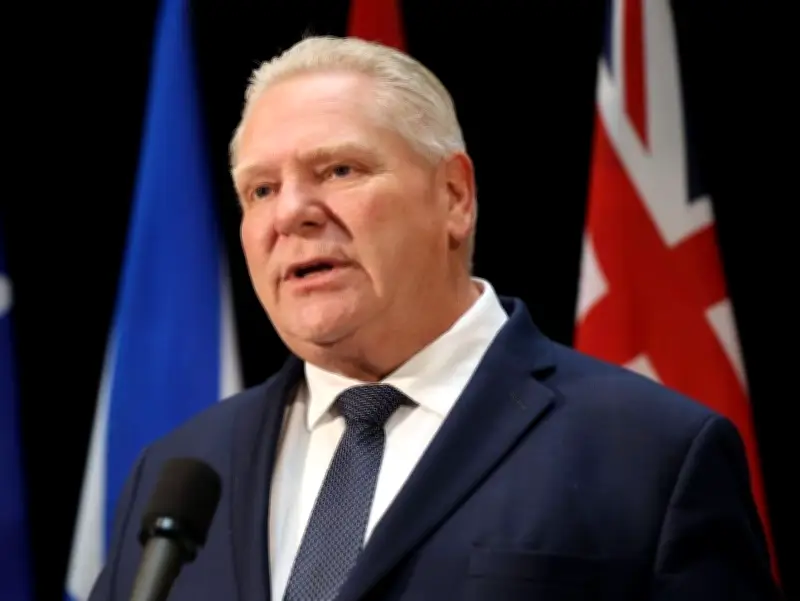
Ontario Premier Doug Ford is set to travel to Washington on Monday for two days of meetings, and his visit has left officials in Ottawa on edge. From the Prime Minister's Office down, there is a collective holding of breath that Ford does not inadvertently disrupt the delicate ongoing trade negotiations.
Ford's History of Outspoken Criticism
Ford is known for his blunt style, often described as a bull in a China shop. He has not hesitated to criticize U.S. President Donald Trump. Last summer, Ford told CNN's Wolf Blitzer that Trump is "probably the most disliked politician in the world in Canada." In February, he returned to CNN, stating, "I've never seen so many Canadians all cheering on the Democrats."
Initially, Republicans in Washington did not mind Ford's criticism as it focused on policy rather than personal attacks. However, the tone shifted when Ford's remarks became more personal. As he lands in Washington, Prime Minister Mark Carney's office, his cabinet, and several provincial premiers are worried about what Ford might say or do.

Ford's Schedule in Washington
On Monday, Ford is scheduled to meet with business leaders, including Ross Perot Jr., chair of the board at the U.S. Chamber of Commerce. His office stated that he will also "host several meetings and roundtables with partners and experts in industries critical to trade between Ontario and the U.S." On Tuesday, Ford will hold meetings with members of Congress, the U.S. administration, and lawmakers.
Current State of CUSMA Negotiations
The CUSMA negotiations are at a tense point. By July 1, the Americans could give six months' notice to exit the deal. While it appears they do not want to do that, they also seem unwilling to approve a 16-year extension. Instead, the deal may enter a phase of constant renegotiation and annual reviews for the next decade, creating uncertainty for the Canadian economy and potentially deterring investment.
Encouragingly, the Trump administration does not want to fully reopen CUSMA, as major changes would require congressional approval. With the possibility of Republicans losing Congress after the midterms, the administration is exploring side deals to address sectoral tariffs on steel, aluminum, and autos.
Potential Solutions for Sectoral Tariffs
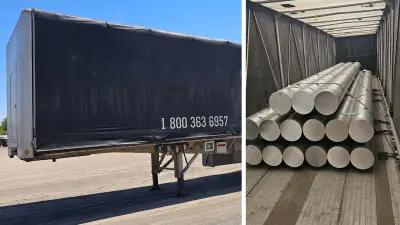
On autos, the U.S. is pushing for 85% of parts in North American-made vehicles to come from Canada, Mexico, and the U.S., with 50% from the U.S. alone. Canada's auto sector can already meet these requirements. For steel and aluminum, tariff-rate quotas are being considered, similar to the arrangement for American dairy imports into Canada. This would allow a certain amount of Canadian product to enter the U.S. duty-free, with higher amounts subject to quotas.
These details remain fluid and subject to change, especially given Ford's unpredictable nature. All eyes are on Washington this week as the trade talks unfold.