Aviation Experts Raise Concerns Over Trump's Threat to Canadian Aerospace
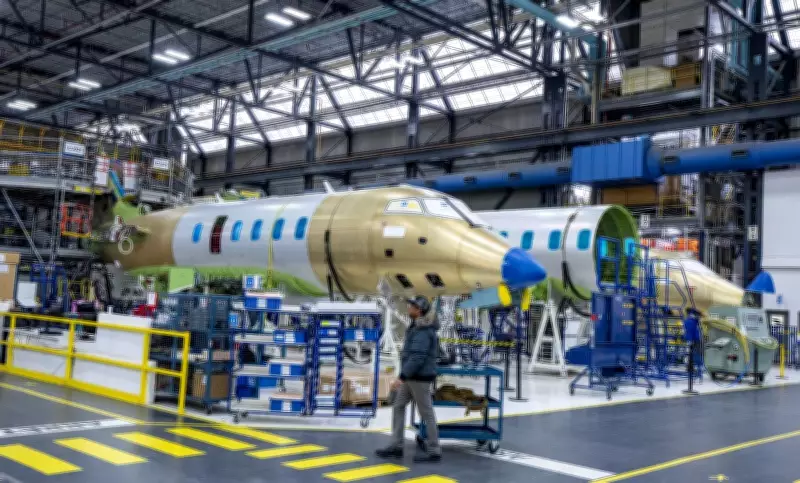
Trade analysts and aviation industry experts are expressing significant skepticism and concern following a recent threat by former U.S. President Donald Trump to decertify new Canadian-made aircraft. The comments specifically targeted Bombardier's Challenger jets, manufactured at the company's facility in Dorval, Quebec, potentially signaling renewed trade tensions between the two nations.
Potential Impact on Bombardier and Canadian Aerospace
The Bombardier facility in Dorval represents a critical component of Canada's aerospace manufacturing sector, employing thousands of skilled workers and contributing substantially to Quebec's economy. Decertification of these aircraft would effectively block their sale and operation within the United States, dealing a severe blow to one of Canada's flagship industrial enterprises.
Industry observers note that such a move would not only impact Bombardier directly but could also have cascading effects throughout the supply chain, affecting numerous smaller Canadian companies that provide components and services for the Challenger program.

Historical Context of Trade Disputes
This latest threat echoes previous trade conflicts between Canada and the United States during Trump's presidency, particularly regarding aerospace products. The Canadian aerospace sector has faced multiple challenges in recent years, including competition from global manufacturers and shifting international trade policies.
Analysts point out that decertification threats represent an escalation beyond traditional tariff disputes, potentially undermining established international aviation certification protocols that have facilitated cross-border aircraft sales for decades.
Economic and Diplomatic Implications
The potential decertification comes at a delicate time for Canada-U.S. economic relations, with both countries navigating complex post-pandemic recovery efforts and evolving global trade dynamics. Such actions could strain diplomatic relations and complicate ongoing negotiations in various sectors beyond aerospace.
Economic experts warn that targeting specific Canadian industries through certification challenges could establish concerning precedents for bilateral trade, potentially inviting reciprocal measures that might harm American exporters operating in Canada.
Industry Response and Future Outlook
While Bombardier has not issued an official statement regarding the specific threat, industry representatives have emphasized the Challenger's compliance with all international aviation standards. The aircraft has undergone rigorous certification processes involving multiple regulatory bodies beyond just U.S. authorities.
Looking forward, trade specialists suggest several potential outcomes:
- Increased diplomatic engagement to clarify certification requirements
- Possible legal challenges if decertification attempts proceed
- Strengthened efforts to diversify export markets for Canadian aerospace products
- Renewed focus on domestic support for strategic industrial sectors
The situation remains fluid as political developments unfold in both countries, with Canadian officials likely to monitor statements from U.S. political figures closely while preparing contingency plans to protect national economic interests.