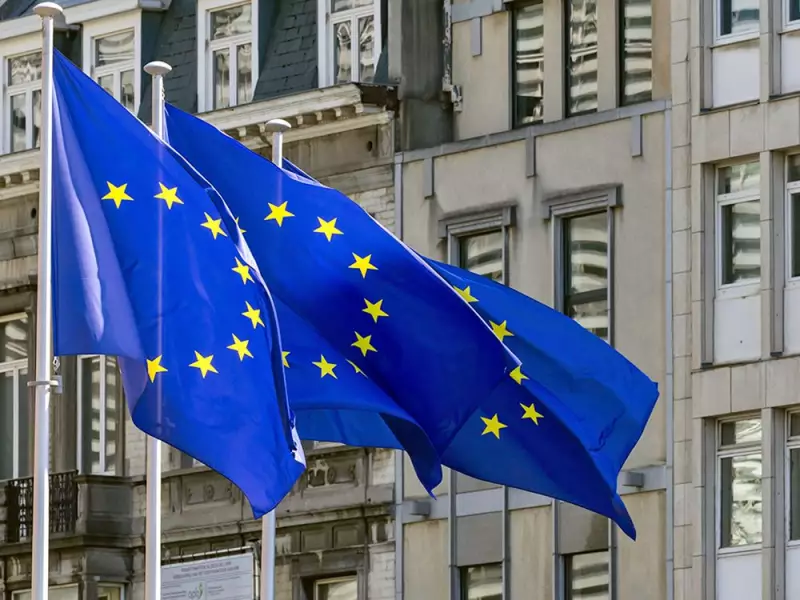
European Union leaders are preparing for an emergency summit later this week to formulate a unified response to a new tariff threat from former U.S. President Donald Trump, which targets several European nations over their stance on Greenland.
Emergency Summit Called for Coordinated Response
According to an EU official, the bloc's leaders plan to meet in person near the end of this week. The urgent gathering was called after Trump announced his intention to impose a 10 per cent tariff on eight European countries, effective February 1. The stated reason for the tariffs is the countries' political and economic support for Greenland.
In a show of solidarity, EU ambassadors convened in Brussels on Sunday evening to begin crafting a joint position. Following that meeting, European Council President Antonio Costa stated on social media that member states agreed to remain unified in support of Greenland and Denmark. He further declared that Trump's proposed tariffs would be "incompatible with the EU-US trade agreement."

Potential Retaliation Valued at 93 Billion Euros
Sources familiar with the high-level discussions have revealed that several countermeasures are on the table. The most significant option under consideration is the imposition of retaliatory levies on approximately 93 billion euros (US$108 billion) worth of American goods exported to the European market.
This massive tariff package is not a new creation. The EU had previously approved these retaliatory tariffs last year but suspended their implementation after the two sides reached a trade pact. In light of Trump's latest move, European lawmakers indicated over the weekend that they may now hold off on formally approving that existing trade agreement.
The Anti-Coercion Instrument: A Powerful New Tool
Beyond traditional tariffs, EU officials are also debating the use of a powerful new regulatory weapon: the anti-coercion instrument. This tool is designed to allow the bloc to respond more forcefully to economic pressure from third countries.
French President Emmanuel Macron publicly suggested on Sunday that the EU should consider deploying this instrument. However, the people familiar with the talks noted that France has backed away from using it in the past when faced with threats of retaliation from the Trump administration. The internal discussions highlight the delicate balance between demonstrating resolve and avoiding an escalating trade war.
The coming days will be critical as EU leaders attempt to forge a common strategy. Their decisions will have significant implications for transatlantic trade relations and the economic stability of the region, setting the stage for a potential new chapter in EU-US trade tensions.