

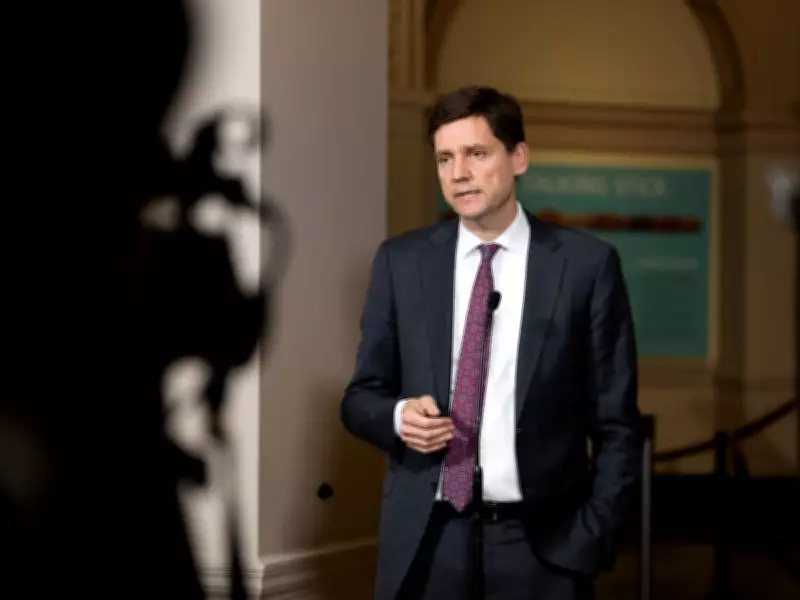
B.C. Premier David Eby Urges Ottawa to Prioritize Softwood Lumber Dispute Resolution
British Columbia Premier David Eby has reaffirmed his commitment to pressuring the federal government to resolve the long-standing Canada-U.S. softwood lumber dispute. Speaking at the Council of Forest Industries convention in Vancouver, Eby emphasized that this issue must be a top priority for Ottawa, especially as renegotiation of the Canada-United States-Mexico Agreement (CUSMA) approaches.
Economic Impact and Industry Concerns
The dispute has significant economic ramifications, with Eby noting that the forestry sector in British Columbia is larger than steel or auto parts in terms of its contribution to Canadian GDP and employment. He highlighted that the industry and consumers on both sides of the border continue to suffer due to the ongoing trade tensions.
Recent developments include the U.S. Department of Commerce publishing preliminary anti-subsidy and anti-dumping duty rates at just under a combined 25 percent. If confirmed, these rates would take effect later this year, marking a reduction from the previous combined 35 percent rate set in 2025. However, Eby stressed that even with this potential decrease, the dispute remains damaging.

Federal Expectations and Trade Diversification
Eby stated, "When the Americans are ready to sit down with us, our expectation in British Columbia is that resolving the softwood lumber dispute should be a priority for the federal government and one of the first sectors addressed in renegotiating CUSMA." He underscored that a resolution would benefit the U.S. as well, as it does not produce enough lumber domestically, leading builders to rely on more expensive imports from Europe and Russia.
In addition to addressing the U.S. dispute, Eby discussed broader trade diversification efforts. He mentioned plans for an upcoming trip to China, where promoting B.C. forest products will be a key focus. This follows a January trade mission to India, where progress was made in advocating for the removal of a 10 percent tariff on Canadian wood. Potential buyers in India indicated that reducing this tariff would significantly increase their ability to import and sell wood, a point Eby plans to continue pushing.
Financial Implications and Future Steps
The premier revealed that Canadian lumber producers have paid approximately $8 billion in duties, which are currently held in bank accounts. Eby argued that these funds should be reinvested to develop the forestry sector on both sides of the border, rather than remaining idle.
Eby's remarks also touched on his government's ongoing initiatives to streamline regulations and increase access to timber, aiming to bolster the industry's competitiveness. He concluded by reiterating the critical importance of resolving the softwood lumber dispute, not only for British Columbia but for the entire Canadian economy, as it remains a cornerstone of trade relations with the United States.






