

Canada may find itself in a delicate diplomatic position, using its tariffs on Chinese electric vehicles as a potential bargaining chip during high-level talks in Beijing, all while navigating the volatile trade landscape shaped by former U.S. President Donald Trump.
The Beijing Negotiating Table
Prime Minister Mark Carney's visit to China this week has placed a spotlight on the complex web of international trade relations. A central question emerging from the discussions is whether Canada possesses the flexibility to adjust its stance on electric vehicle imports from China. Mark Warner, principal of MAAW Law, highlighted this strategic consideration, pointing to the tariffs as a key element in Canada's negotiating toolkit.
The core dilemma, as framed by experts, is geopolitical. "The question is, is there some scope to eliminate the EV tariffs on China without annoying Donald Trump?" Warner's query underscores the tightrope Ottawa must walk. Any unilateral move by Canada to ease trade barriers with Beijing could provoke a reaction from south of the border, where Trump's "America First" trade policies remain influential.

Navigating the US-China Crossfire
Canada's trade policy does not operate in a vacuum. The nation's economic decisions are increasingly scrutinized within the context of the ongoing strategic competition between the United States and China. Lifting tariffs on Chinese EVs, such as those produced by giants like BYD, could be seen as aligning more closely with Beijing, potentially at the cost of its critical trade relationship with Washington.
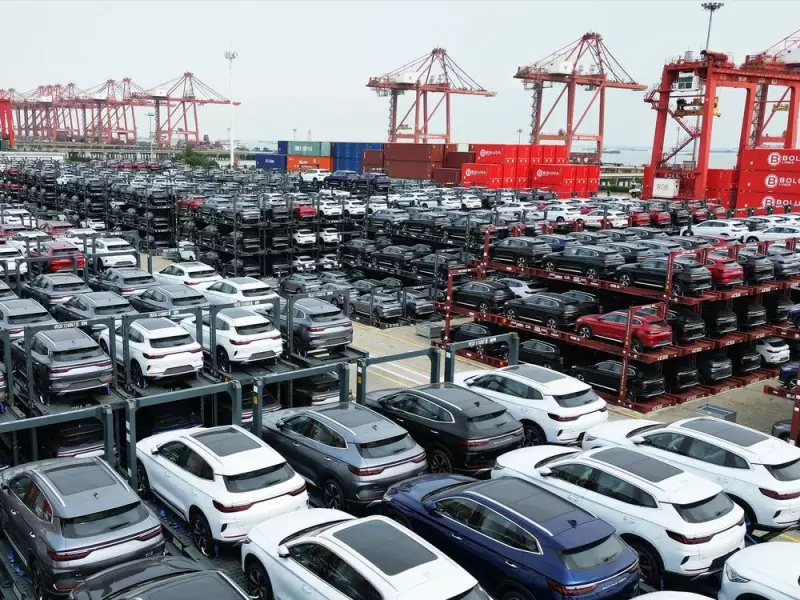
The imagery of BYD electric cars stacked at the Taicang Port in Suzhou, ready for export, symbolizes the sheer scale of China's EV manufacturing capacity. For Canada, accessing these vehicles at lower cost could benefit consumers and accelerate its own green transition. However, such a move risks undermining domestic auto manufacturers and clashing with the broader Western strategy to reduce dependency on Chinese supply chains for critical technologies.
The Path Forward for Canadian Trade
Prime Minister Carney's meetings present an opportunity to explore nuanced solutions. This could involve phased reductions, reciprocal concessions from China in other sectors, or framing any tariff relief within the context of multilateral environmental goals. The challenge is to craft a policy that serves Canadian economic interests, supports environmental objectives, and maintains stability within the North American trade bloc.
The outcome of this diplomatic maneuvering will have significant implications. It will signal Canada's ability to assert an independent trade path while managing its indispensable relationships with both superpowers. The decision on EV tariffs is more than a simple regulatory adjustment; it is a litmus test for Canada's trade sovereignty in an increasingly polarized world.






