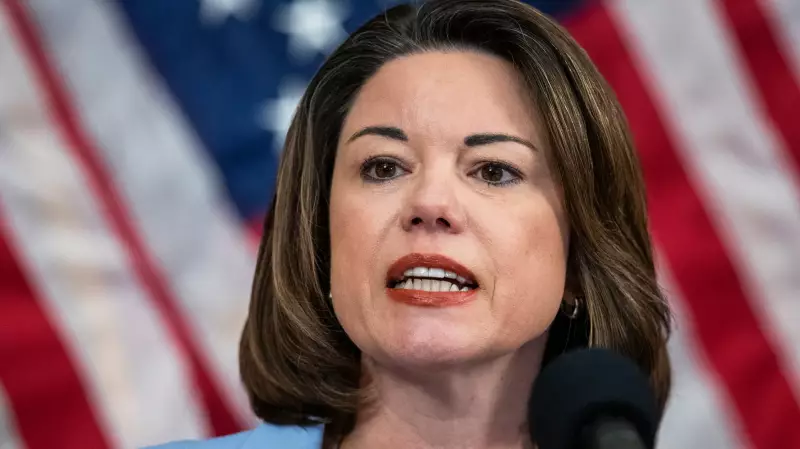
The recent surge of federal immigration agents into Minneapolis and the subsequent shooting of a civilian by an ICE officer have ignited a fierce and deeply personal conflict in the Democratic primary for Minnesota's crucial U.S. Senate seat. The incident has widened the existing ideological rift between the candidates, turning the campaign sharply negative as they battle for the nomination to replace retiring Senator Tina Smith.
A Fundamental Clash of Values
Progressive candidate and Lieutenant Governor Peggy Flanagan has launched a direct attack on her moderate opponent, Representative Angie Craig, accusing her of political opportunism in her stance on U.S. Immigration and Customs Enforcement. Flanagan frames the race as a core test of Democratic values.
"This Senate race is a fundamental question about whether or not we're going to have a United States senator who sticks to their values and truths, or someone who votes with Republicans and Donald Trump when it's politically expedient," Flanagan stated in an interview. She positioned herself firmly against what she sees as Craig's shifting positions.

Craig, who represents a competitive swing district, fired back, labeling Flanagan's criticisms as "disgusting." She urged her rival to join the fight against the Trump administration's immigration tactics rather than attacking a fellow Democrat.
"What she's doing right now sounds just like it came out of the MAGA playbook, and frankly, it pisses me off," Craig told reporters, highlighting the intensity of the feud.
Votes and "Gotcha" Bills at the Heart of the Dispute
The tension is fueled by specific votes cast by Craig in Congress. In January, she supported the Laken Riley Act, granting President Trump enhanced powers to detain immigrants accused of crimes. Later, in June, she was among 47 Democrats who voted for a Republican resolution condemning antisemitism. That resolution also expressed gratitude to ICE officers amid a controversial deployment of National Guard troops.
Flanagan points to these votes as evidence that Craig cannot be trusted with the Senate nomination. Craig defends her stance, calling the ICE resolution a "gotcha" measure designed to sow division but necessary to oppose antisemitism. She challenged Flanagan by asking if the Lieutenant Governor would have voted against condemning hate speech.
However, Craig's position has evolved. Since last summer, she has taken a stronger stand, demanding ICE agents leave Minnesota and helping to introduce articles of impeachment against Homeland Security Secretary Kristi Noem. Recently, she was blocked from entering an ICE detention facility with other state Democrats.
Broader Stakes and Republican Opportunities
The internal Democratic battle carries high stakes. The party must retain this seat to have a realistic chance of winning control of the Senate in 2026. While Minnesota leans Democratic, Republicans see an opening. They are rallying behind former 'Monday Night Football' reporter Michele Tafoya as their likely candidate.
Republicans are also focusing on a welfare fraud scandal involving federal childcare funds in Minnesota, which prompted Governor Tim Walz to abandon his re-election campaign. As Walz's lieutenant, Flanagan may face tough questions on the issue. She has called fraud "completely unacceptable" and deferred to the Governor's efforts.
Craig warns the scandal could jeopardize the Senate seat if Flanagan is the nominee, accusing her of avoiding accountability. "It's going to be a significant issue in the Senate race for her finish line," Craig cautioned.
Neither candidate supports the progressive push to abolish ICE, a popular idea during Trump's first term. Flanagan advocates for a "complete and total overhaul" of the agency. Both agree on withholding funding for ICE ahead of a key January 31 appropriations deadline in Congress, arguing the agency creates chaos and terror.
With Minnesota voters not heading to the primary polls for another six months, this clash between two prominent Democrats over immigration, loyalty, and political expediency is set to define a race with national implications.