

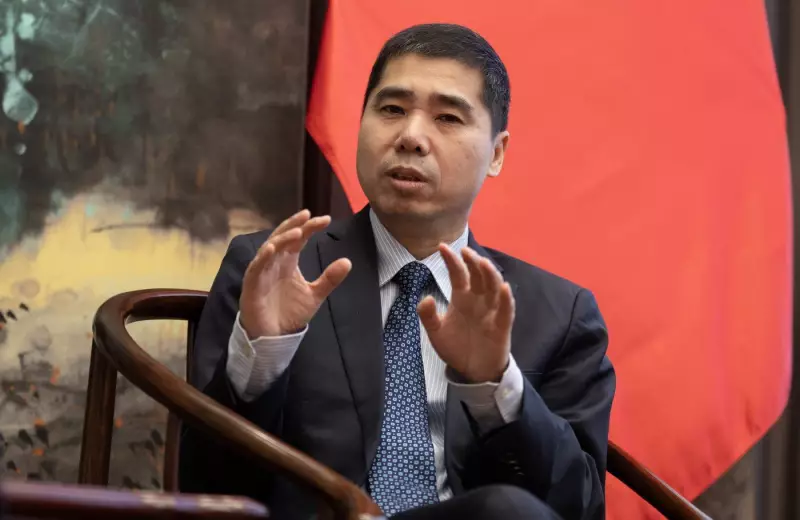
Chinese Diplomat Calls for Rapid Action on New Canada-China Trade Pacts
The Chinese ambassador to Canada has issued a clear directive to the federal government: move quickly to implement the new agreements recently signed in Beijing. This diplomatic push comes as the Liberal administration confirms it has reached a significant trade deal with China, one that includes a reduction in tariffs on a specified number of Chinese electric vehicles entering the Canadian market.
Details of the Bilateral Agreement
The newly inked pact, finalized during high-level talks in the Chinese capital, aims to lower trade barriers and foster economic cooperation between the two nations. By slashing tariffs on Chinese electric vehicles, the agreement is expected to impact the automotive sector, potentially making these vehicles more accessible and affordable for Canadian consumers. This move aligns with broader global trends toward electric mobility and sustainable transportation solutions.
Broader Implications for Canadian Trade and Industry
The ambassador's urgency underscores the importance both countries place on strengthening bilateral ties through concrete economic measures. For Canada, this deal represents a strategic step in navigating complex international trade dynamics, particularly as it seeks to balance relationships with major economic partners like China and the United States. The automotive industry, a key component of Canada's economy, may see shifts in competition and supply chains as a result of these tariff adjustments.

Political and Economic Context
This development occurs amid ongoing discussions about trade policies and environmental goals. The Liberal government's commitment to reducing emissions and promoting green technologies dovetails with the increased importation of electric vehicles. However, it also raises questions about domestic manufacturing and the need to support Canadian auto workers and companies in adapting to a changing market landscape.
As the ambassador emphasizes swift implementation, Canadian officials are likely to face pressure to ensure that the agreements are enacted efficiently, while also addressing any concerns from stakeholders about the impact on local industries and employment.






