Carney's Davos Address Signals Canada's Strategic Autonomy Amid U.S. Tensions
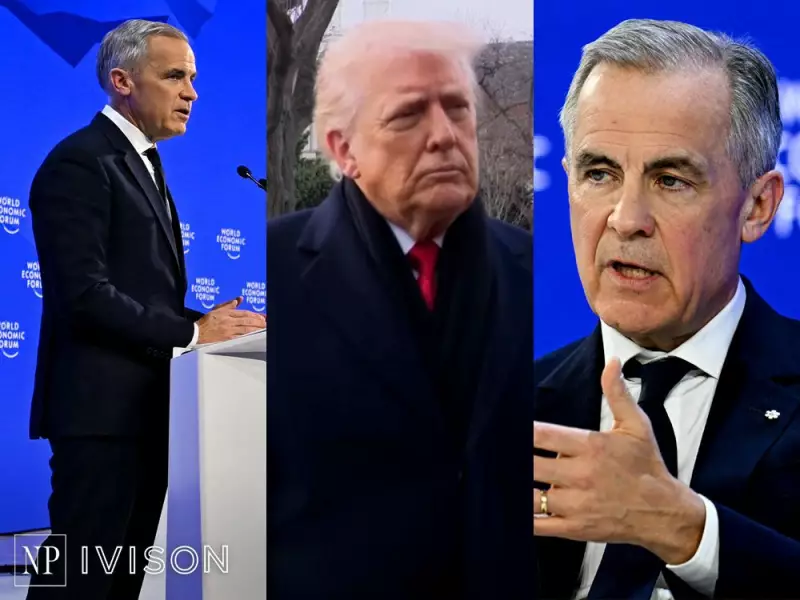
In a forceful foreign policy speech delivered at the World Economic Forum in Davos on Tuesday, Prime Minister Mark Carney articulated Canada's commitment to strategic autonomy, a move that risks provoking Washington's displeasure. Carney's address, described as one of the most assertive by a Canadian leader in recent memory, emphasized that preserving national sovereignty will entail significant costs, which Canada appears prepared to bear.
Historical Context and Calm Determination
Carney's speech echoed the sentiments of Polish academic Slawomir Debski, who has urged calm amid global uncertainties. Debski noted that NATO has endured previous crises, such as the Suez Crisis in 1956 and France's withdrawal from its integrated military command in 1966, suggesting the alliance can survive current challenges. He criticized Donald Trump's tariff policies toward European allies as strategically absurd but advocated for a measured response, stating, "Strategy begins where outrage ends."
Debski emphasized the importance of maintaining flexibility for the post-Trump era, arguing that deterrence relies on imposing costs quietly rather than through public displays of moral outrage. Carney channeled this sense of calm determination, positioning Canada to forge a new path independent of traditional alliances that have become sources of vulnerability.

Canada's Foreign Policy Shift
Carney's address marked a departure from the humble-bragging that has characterized recent Canadian leadership. Instead, he delivered a frank, at times brutally honest, message to President Trump, asserting that Canada will reduce its susceptibility to U.S. retaliation by developing new international partnerships. The prime minister made it clear that Canada will no longer adhere to a rules-based order that the United States has actively undermined.
He warned that if great powers abandon rules and values in pursuit of their own interests, the benefits of transactional relationships diminish. "Hegemons cannot continually monetize their relationships," Carney stated, hinting that the U.S. will face unforeseen costs for undermining the free world community.
Economic and Strategic Implications
Carney highlighted how economic integration, tariffs, financial infrastructure, and supply chains have been weaponized by powerful nations, implicitly referencing Trump's America. This reality, he argued, necessitates a reevaluation of Canada's approach to global engagement. The pursuit of strategic autonomy involves acknowledging that integration can lead to subordination rather than mutual benefit.
The speech underscored a pivotal moment in Canada-U.S. relations, with Carney suggesting that the old order is not returning. By prioritizing sovereignty over compliance, Canada signals a willingness to endure economic and diplomatic strains to secure its long-term interests. This stance reflects a broader global trend of nations reassessing their dependencies in an era of geopolitical volatility.
As Carney concluded, the message was unequivocal: Canada is prepared to pay the price for autonomy, challenging Washington's expectations and setting the stage for a potentially contentious chapter in bilateral relations. The address not only reaffirmed Canada's resolve but also served as a caution to hegemonic powers that unchecked pursuit of self-interest carries consequences for all involved.