

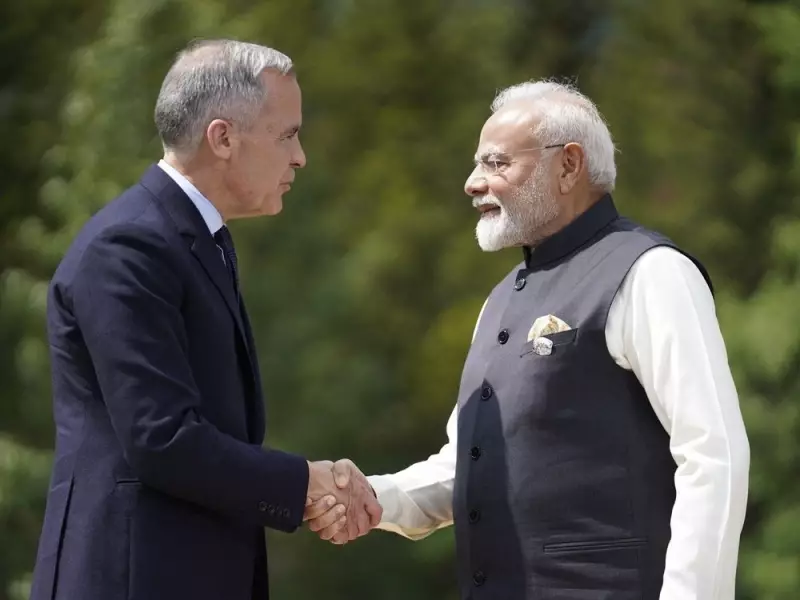
Carney Working on Diplomatic Trip to India with Potential Trade Deal Revival
Canadian Prime Minister Mark Carney is actively planning a significant diplomatic visit to India within the coming months, according to confirmed reports from government officials. This strategic trip represents a concerted effort by Canada to diversify its international trade partnerships, attract crucial foreign investment, and mend important international relationships that have experienced strain in recent years.
Reviving Stalled Comprehensive Trade Negotiations
While government representatives emphasize that the trip has not been finalized and may not necessarily result in immediate agreements, the intensity of planning activities in Ottawa strongly suggests that both nations are attempting to heal diplomatic wounds. The visit could potentially revive comprehensive trade deal discussions that nearly reached completion under previous administrations led by former prime ministers Stephen Harper and Justin Trudeau.
Canada and India initially launched formal negotiations for a comprehensive economic partnership agreement in 2010. This ambitious agreement was designed to significantly open markets between the two countries by systematically reducing barriers across multiple sectors including goods, services, and investment. However, after ten intensive rounds of negotiations spanning several years, both nations ultimately halted discussions more than a decade later amid growing political tensions between their respective governments.

Timing and Economic Motivations for Renewed Engagement
The current moment may present an opportune time to finally bring a trade agreement across the finish line, as both countries now demonstrate stronger economic motivations for partnership. India has made free-trade agreements a significant priority since facing substantial economic pressure from international tariffs, including a challenging 50 percent tariff imposed by the United States on Indian exports entering American markets in August.
This renewed urgency follows India's recent success in finalizing what officials described as "the mother of all deals" with the European Union earlier this week. Meanwhile, the Canadian economy has similarly faced economic headwinds from American tariffs, prompting the Carney government to prioritize trade diversification as perhaps its most important economic objective. This strategic shift was demonstrated last week through Canada's newly signed trade agreement with China, another nation representing substantial export opportunities despite historically complex bilateral relations.
Expert Perspectives on Trade Diversification Strategy
Fen Hampson, an esteemed international affairs specialist at Carleton University in Ottawa, has publicly advocated for Carney to prioritize securing a free-trade agreement with India as expeditiously as possible. Hampson emphasized that "to reap the dividends, now is the time to move into high gear" regarding trade negotiations with the South Asian economic powerhouse.
The United States has traditionally served as the destination for more than three-quarters of Canadian exports in recent years. However, tariffs imposed earlier this year on critical Canadian products including steel, aluminum, automobiles and auto parts, softwood lumber, and specific minerals have delivered substantial blows to these vital industries and the broader domestic economy.
Current Trade Landscape and Strategic Priorities
According to recent government data analysis, China currently represents the second-largest market for Canadian products, though this accounts for only approximately 4 percent of total exports. India ranks significantly lower at tenth position, purchasing a mere 0.7 percent of Canadian exports, highlighting substantial room for growth and expansion.
Ottawa's strategic response to American tariffs has included a concentrated, multi-faceted effort to expand and diversify international trade relationships. Government officials recognize that this initiative must begin with repairing diplomatic and economic relationships with both China and India, the world's two most populous nations that represent potentially crucial sources for future export growth and economic stability.

Diplomatic Foundations for Renewed Engagement
The planned diplomatic visit to India traces its origins to a significant conversation between Prime Minister Carney and Indian Prime Minister Narendra Modi during the sidelines of the G7 Summit held in Kananaskis, Alberta, this past June. During this high-level discussion, both leaders mutually acknowledged the importance of "restarting" ministerial-level discussions between their nations, establishing the diplomatic foundation for renewed engagement and potential economic partnership.





