

Canadian Attitudes Toward China Shift Dramatically in New Poll
A comprehensive new survey from the Angus Reid Institute reveals a significant transformation in how Canadians view economic relations with China, with a majority now prioritizing trade opportunities over longstanding human rights concerns.
Survey Shows Major Reversal in Public Sentiment
The poll, conducted between January 23 and 27, 2026, among 1,612 Canadian adults, demonstrates a remarkable evolution in public opinion. Only 23% of respondents now believe Canada should treat China as an "enemy" or "threat"—a dramatic decrease from 62% in 2023.
Meanwhile, those advocating for cautious engagement with China has doubled from 26% to 51%, while more than one-in-five Canadians (22%) now view China as a friend or ally worthy of partnership.

Economic Priorities Trump Human Rights Concerns
The survey reveals that 59% of Canadians believe trade and investment opportunities should take precedence over human rights issues, which only 41% prioritize. This represents a substantial shift in how Canadians weigh economic interests against ethical considerations in foreign policy.
"Political economy isn't a zero-sum game, but relationships ebb and flow," noted Angus Reid in a statement accompanying the survey results. "The best evidence of this in 2026 is Canada's re-engagement with China as the traditional foundation of economic cooperation with the United States becomes more tenuous."
Historical Context of Frosty Relations
This change in public sentiment comes despite years of strained diplomatic relations between Canada and China. The relationship reached a low point following the detention of Canadians Michael Kovrig and Michael Spavor for more than 1,000 days after Canadian authorities placed Huawei CFO Meng Wanzhou under house arrest in Vancouver in December 2018.
Although a 2021 plea bargain allowed Meng to leave Canada and secured the release of Kovrig and Spavor, tensions persisted, with China facing accusations of interfering in Canadian elections in recent years.
Government Efforts to Thaw Relations
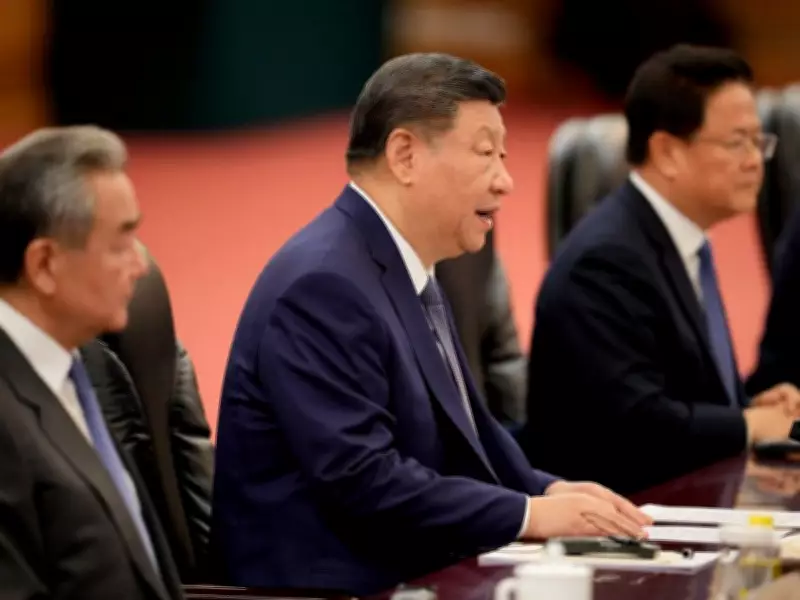
Relations began to improve last year as Prime Minister Mark Carney actively pursued closer ties with China to diversify Canada's trade partnerships. Earlier this month, Carney met with Chinese President Xi Jinping and other top officials in Beijing—the first meeting between Canadian and Chinese leaders since former Prime Minister Justin Trudeau's 2017 visit.
During these discussions, Carney agreed to eliminate Canada's 100% tariff on Chinese-made electric vehicles in exchange for China reducing tariffs on Canadian canola and other agricultural products.
U.S. Uncertainty Driving Canadian Reassessment
The survey suggests that economic uncertainty stemming from the return of Donald Trump to the U.S. presidency has significantly influenced Canadian attitudes. "The last two years has seen both an official warming from the Canadian government, and a softening view of China from Canadians themselves, perhaps not unsurprisingly coinciding with the economic uncertainty brought on by the return of U.S. President Donald Trump to the White House," the pollster observed.
Favourability Toward China Increases
Other key findings from the survey show that Canadians with a favourable opinion of China has increased by 11 percentage points, rising from 16% in January 2025 to 27% currently. However, researchers noted that "there has been no change in favourability since October, however, suggesting this recent trip to China did not impact Canadians' views."
This evolving public sentiment reflects a pragmatic reassessment of Canada's economic interests as traditional alliances face uncertainty and new opportunities emerge in the global marketplace.






