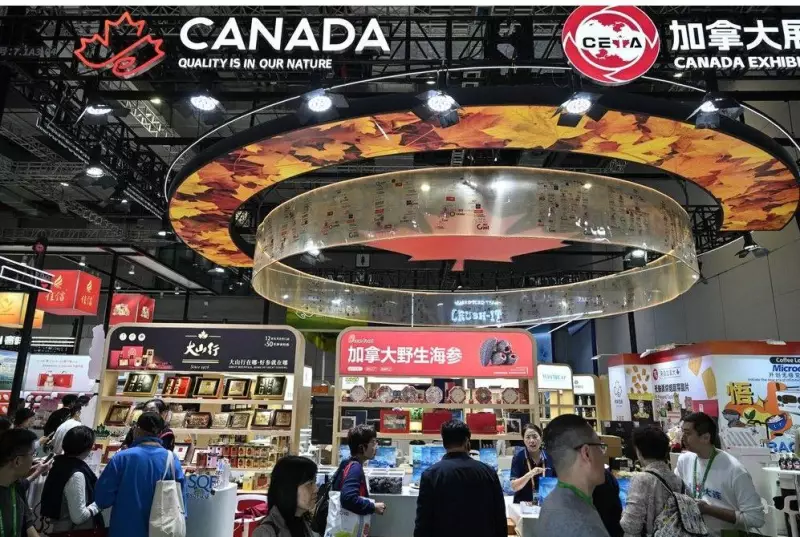
The recent trade threats from former U.S. President Donald Trump have sent shockwaves through Canadian economic circles, prompting serious discussions about diversifying trade partnerships beyond America's borders. Prime Minister Mark Carney's suggestion that Ottawa might look east toward China and other Asian markets represents a potential strategic shift in Canadian foreign trade policy.
Zimbabwe's Historical Precedent
This situation mirrors Zimbabwe's experience in the early 2000s under then-president Robert Mugabe. Following violent farm seizures and massive human-rights violations, countries including the United States, Canada, the European Union, Australia and New Zealand imposed sanctions on the African nation. The country found itself suddenly cut off from Western aid and investment.
In response, Mugabe launched the Look East Policy, turning to China, the UAE, Singapore, Malaysia and other Asian economies for economic survival. For a period, this strategy appeared to stabilize Zimbabwe's situation, with China investing heavily in the country's mining, power and infrastructure sectors.

Parallels and Critical Differences
While the contexts differ dramatically—Canada remains a G7 democracy with global credibility and stable institutions—the fundamental question remains identical: what happens when your dominant trading partner turns hostile?
The potential benefits of looking east are substantial. China represents the world's second-largest economy and is projected to host the largest consumer population by 2030. Diversifying trade would reduce Canada's reliance on the United States while aligning with an increasingly multipolar global economy.
Opportunities and Warnings
Canadian resources, technology and services face growing demand across Asia. Significant opportunities exist in sectors including artificial intelligence, agriculture, critical minerals and clean technology.
However, Zimbabwe's experience carries crucial warnings. While Mugabe's eastward shift provided an economic lifeline, it came with substantial costs. Most Beijing-financed projects relied on imported labor, created limited local employment, escalated corruption issues and featured opaque loan terms. Zimbabwe essentially traded one form of dependency for another—a mistake Canada cannot afford to repeat in any potential trade reorientation.
The challenge for Canadian policymakers lies in balancing the genuine economic opportunities presented by Asian markets against the strategic risks of becoming overly dependent on alternative trading partners. As global trade dynamics continue to shift, Canada must navigate these complex waters with careful consideration of both historical precedents and future economic realities.