

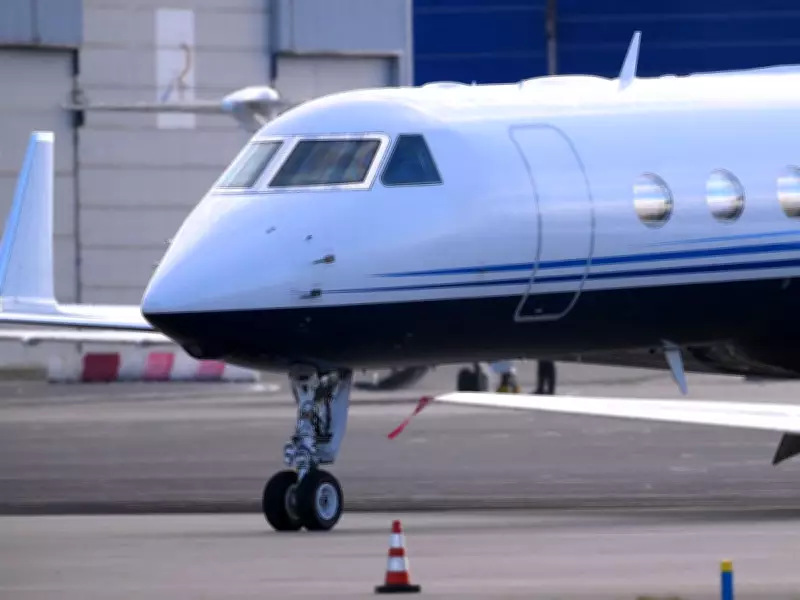
Canada Engages in Diplomatic Efforts to Resolve Gulfstream Certification Dispute Following Trump Tariff Threat
The Canadian government has initiated a series of diplomatic and regulatory discussions with United States authorities and aerospace manufacturers to address ongoing certification issues for several Gulfstream private jet models. This development comes directly in response to a recent threat from former President Donald Trump, who has proposed imposing substantial tariffs on Canadian-made aircraft sold in the U.S. market.
Government Response and Safety Priorities
In an official emailed statement, Transport Canada has clarified its position, emphasizing that the department is actively working with the United States Federal Aviation Administration, General Dynamics Corporation, and Bombardier Incorporated. The primary objective is to resolve outstanding certification matters in a manner that upholds the highest standards of aviation safety and regulatory integrity, while simultaneously preserving crucial market access for aerospace products across the Canada-U.S. border.
Transport Minister Steven MacKinnon addressed reporters in Ottawa, stating that while he does not personally interfere in the technical aspects of aircraft certification processes, he has maintained direct communication with the involved manufacturers throughout this situation. "To the extent that any ambiguities or misunderstandings may have existed, I think they've been dissipated," Minister MacKinnon remarked, indicating progress in bilateral discussions.

Trump's Tariff Threat and Certification Allegations
The dispute escalated significantly when former President Trump publicly threatened to impose a 50 percent tariff on all aircraft imported from Canada into the United States. Additionally, he warned that his administration would decertify all newly manufactured Canadian planes until Ottawa agreed to approve specific Gulfstream jet models currently awaiting certification.
In a social media post, Trump accused Canada of having "wrongfully, illegally, and steadfastly refused to certify the Gulfstream 500, 600, 700, and 800 Jets." These allegations have created considerable tension between the two nations regarding aviation regulatory practices and trade relations.
Impact on Bombardier and Market Uncertainty
The political developments have introduced significant uncertainty for Quebec-based private-jet manufacturer Bombardier, which relies heavily on the United States market for the majority of its aircraft sales. Following Trump's initial threat, Bombardier's shares experienced notable volatility, though they have shown signs of recovery in subsequent trading sessions.
At 11:12 a.m. Toronto time on Tuesday, Bombardier shares were trading 2.67 percent higher, indicating some market confidence in the ongoing diplomatic resolution efforts. However, the long-term implications for Canada's aerospace sector remain contingent upon the outcome of these certification discussions.
Regulatory Perspectives and Bilateral Concerns
Transport Canada has maintained a reserved position regarding the specific certification status of the Gulfstream models in question, declining to provide detailed commentary despite multiple media inquiries. Meanwhile, FAA administrator Bryan Bedford has expressed concerns about regulatory reciprocity, questioning whether sufficient resources are being allocated to certify U.S.-manufactured products compared to those dedicated to foreign aircraft certification.
The Canadian government's approach emphasizes collaborative problem-solving while maintaining its commitment to rigorous safety standards that protect passengers and aviation personnel on both sides of the border. As discussions continue, stakeholders across the aerospace industry will be monitoring developments closely, particularly regarding potential impacts on trade flows, manufacturing operations, and bilateral aviation agreements between Canada and the United States.






