

Canada Advocates for Comprehensive Trade Agreement in U.S. Negotiations
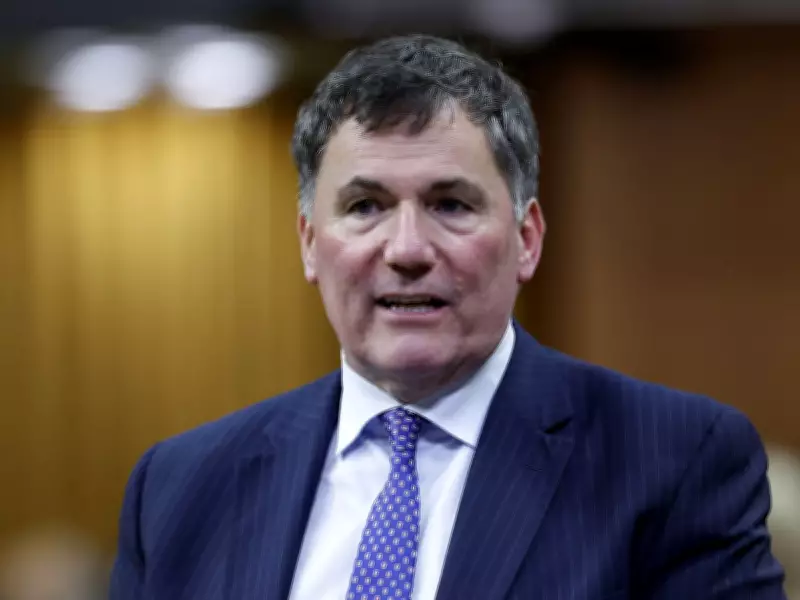
Canadian Trade Minister Dominic LeBlanc has articulated the government's firm stance on resolving trade tensions with the United States through a broad, comprehensive agreement rather than isolated, ad-hoc deals. This position emerges amid ongoing discussions that highlight the strategic dynamics between Canada, the U.S., and Mexico in trade matters.
Minister LeBlanc's Strategic Approach
In a recent parliamentary committee session, LeBlanc underscored Canada's readiness to address the irritants raised by U.S. officials, which mirror public concerns outlined in a report from U.S. Trade Representative Jamieson Greer's office. These issues include Canada's supply-managed dairy system and regulations impacting major U.S. technology companies, among other persistent trade disputes.
"If we're going to resolve some of these issues that Ambassador Greer referred to, Canada is ready and willing to do that work," LeBlanc stated, emphasizing the need for progress within a "larger agreement". Such a framework aims to alleviate pressure on tariff-affected sectors of Canada's economy and provide greater certainty during the Canada-U.S.-Mexico Agreement (CUSMA) review process.

Historical Context and Recent Developments
The minister's comments shed light on the complex trade landscape, partly shaped by the Trump administration's unpredictable behavior toward trading partners. Historically, U.S. officials have pressured Canada for specific concessions, often without reciprocal benefits. For instance, in June, the Canadian government withdrew a digital services tax at the Trump administration's request, only to face increased tariffs on Canadian goods shortly after. This was followed by Canada dropping retaliatory tariffs during talks, which Trump abruptly halted the following month.
LeBlanc countered claims from U.S. Ambassador Pete Hoekstra, who asserted in March that no substantive discussions had occurred since October. The minister clarified that negotiations stalled in October after Trump reacted angrily to an anti-tariff advertisement from the Ontario government, but resumed in early March with LeBlanc's visit to Washington.
"I would have hoped that by last fall we would have resolved part of the situation," LeBlanc remarked. "Now we're back around the table to do the work. It is moving forward. I can assure you of that."
Ongoing Engagement and Multilateral Coordination
Discussions have persisted through multiple channels, including a productive 45-minute call between LeBlanc and U.S. Commerce Secretary Howard Lutnick last week. Additionally, ongoing meetings involve Mark Wiseman, the Canadian ambassador to the U.S., and Janice Charette, the chief trade negotiator, ensuring continuous dialogue.
While U.S. talks with Mexico are reportedly more advanced, with Greer scheduled to visit Mexico City for bilateral discussions linked to the CUSMA review, LeBlanc confirmed regular contact with Mexican counterparts. Mexican Economy Minister Marcelo Ebrard's planned visit further underscores the trilateral coordination essential for navigating these trade negotiations.
This approach reflects Canada's strategic push for a wider trade agreement that addresses core frictions holistically, rather than through fragmented deals, aiming to foster economic stability and cooperation across North America.






