

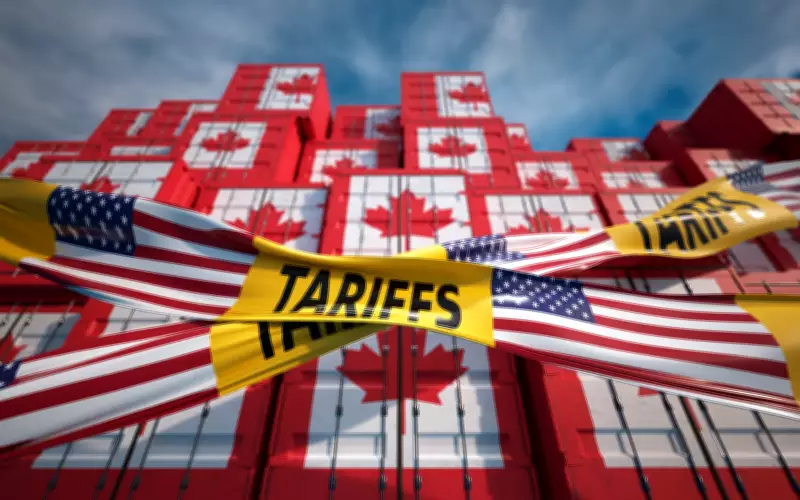
James Moore Advocates for Canadian Composure in Face of Escalating Trade Uncertainty
In a period marked by significant global economic upheaval, former Canadian trade official James Moore has issued a compelling call for national resilience. Moore emphasizes that Canada must adopt a posture of strategic patience and calm as international trade dynamics grow increasingly volatile under the new U.S. administration.
Navigating the Storm of Rising Tariffs and Protectionist Policies
The global trade landscape is undergoing a dramatic transformation, with President Donald Trump implementing a series of aggressive tariff increases. These measures, starting at 10% with plans to escalate to 15%, are sending shockwaves through international markets. Former White House trade advisor Kelly Ann Shaw has provided analysis, warning that such policies could have profound and far-reaching impacts on worldwide commerce, disrupting established supply chains and inflating costs for consumers and businesses alike.
Moore argues that while these developments pose genuine threats to Canadian economic interests, a reactive or panicked response would be counterproductive. "In times of chaos, clarity and composure become our greatest assets," he states. The uncertainty is palpable, with businesses across Canada expressing skepticism about potential price reductions, even as some emergency tariff proposals face opposition.

The Critical Importance of Strategic Economic Diplomacy
Amid this turbulence, Moore highlights the necessity for Canada to engage in nuanced and persistent diplomacy. The country's approval of latest Gulfstream business jets, despite looming tariff threats, exemplifies a balanced approach to protecting economic relationships while safeguarding national interests. Furthermore, Canada's commitment of $2 billion in aid to Ukraine, coupled with additional sanctions four years post-invasion, underscores its role in a complex geopolitical arena where trade and foreign policy are deeply intertwined.
The broader context includes domestic challenges that compound international pressures. From concerns over Ontario's plan to merge conservation authorities to debates on federal gun prohibitions and buyback programs, Canadian policymakers are navigating a multifaceted landscape. Moore suggests that a steady, principled stance on trade can provide a foundation for addressing these concurrent issues without succumbing to fragmentation or short-term political pressures.
Building Resilience Through Economic Diversification and Innovation
Looking forward, Moore advocates for a proactive strategy centered on economic diversification and technological innovation. He points to sectors like green technology, biotechnology, and digital infrastructure as areas where Canada can strengthen its competitive edge, reducing over-reliance on any single market or trading partner. This approach aligns with global trends, such as the push for sustainable agriculture and renewable energy, which are gaining momentum even as traditional trade frameworks face strain.
In conclusion, James Moore's message is one of cautious optimism tempered by realism. While the path ahead is fraught with challenges, including potential disruptions from civil unrest in key destinations like Mexico affecting travel and commerce, Canada's historical resilience and adaptive capacity offer reasons for confidence. By maintaining calm, fostering dialogue, and investing in future-oriented industries, Canada can not only weather the current storm but emerge stronger and more self-reliant in an increasingly unpredictable world economy.






