

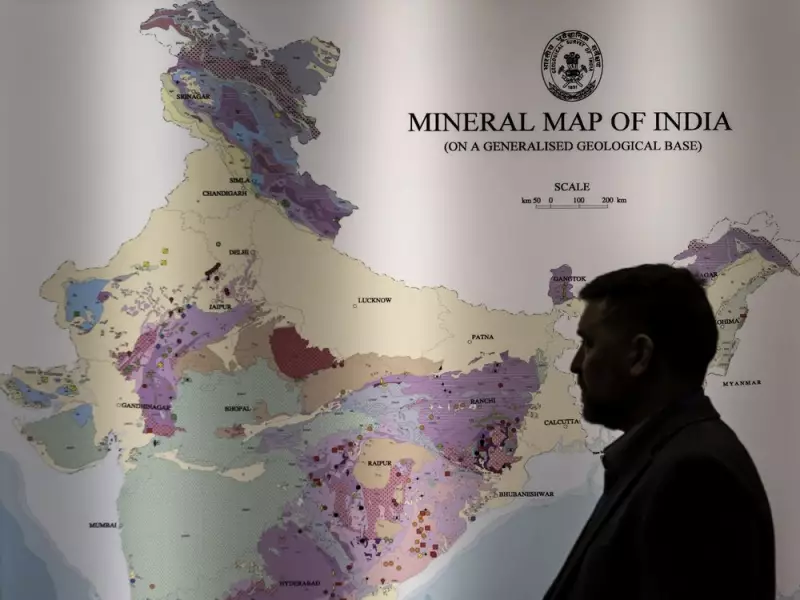
Canada and India Rebuild Trade Ties with Focus on Energy and Critical Minerals
Canadian officials have announced that energy and critical minerals will form the cornerstone of renewed trade relations between Canada and India, as the two nations work to mend a prolonged diplomatic rift. This strategic shift comes as both countries seek to diversify their economic partnerships in response to changing global dynamics.
Minister Hodgson Outlines Trade Opportunities at India Energy Week
Energy and Natural Resources Minister Tim Hodgson revealed the new trade framework during his appearance at India Energy Week in Goa. India's projected growth in energy demand presents a significant opportunity for Canada, which possesses substantial reserves of oil, natural gas, and critical minerals. Hodgson emphasized that increasing trade in these sectors would enhance the strength, resilience, and security of both nations.
"We produce six percent of the world's oil today and India gets less than one percent of its oil from Canada," Hodgson stated during a Bloomberg Television interview. "Increasing that share to a more reasonable level would make both countries stronger, more resilient and secure."

Diplomatic Challenges Give Way to Economic Cooperation
The renewed focus on trade follows years of strained relations between Canada and India, which began in 2023 when former Prime Minister Justin Trudeau accused India of involvement in the assassination of Canadian citizen Hardeep Singh Nijjar. The diplomatic tensions have gradually eased, with both countries now demonstrating willingness to cooperate economically.
This reconciliation occurs against a backdrop of increasing economic pressure from the United States under President Donald Trump. Hodgson noted that traditional trading relationships are being reconsidered in light of these geopolitical shifts. "We used to be in a world where we sought to integrate with our closest trading partners, and we now find that that integration is used for coercion," he explained, referring to tariff-based leverage tactics.
Canada's Strategic Approach to Critical Minerals Trade
Canadian officials are actively engaging with international partners to establish new frameworks for critical minerals trade. These initiatives include:
- Facilitating off-take agreements between Canadian producers and international buyers
- Developing strategic stockpiling mechanisms for essential minerals
- Providing high-quality uranium to support India's nuclear energy ambitions
India has set an ambitious goal of building 100 gigawatts of nuclear capacity by 2047, and Canada's uranium resources could play a crucial role in achieving this target. This collaboration represents a significant step in Canada's efforts to "rewire its economy" and build relationships beyond traditional North American partnerships.
LNG Exports and Growing Trade Volumes
India stands to benefit substantially from Canada's expanding liquefied natural gas capabilities. Canada's 12 million-ton-per-year LNG plant, which began operations in June, is expected to grow to a capacity of 50 million tons. Major energy companies including Shell PLC, Petronas, Korea Gas Corp., and China's CNOOC Ltd. have already recognized the competitive pricing of Canadian LNG.
During a panel discussion at India Energy Week, Hodgson highlighted the current state of bilateral trade between the two nations. "Today, bilateral trade between Canada and India is only $30 billion," he noted, adding that Prime Minister Mark Carney anticipates this figure will double by the end of the decade.
The renewed trade partnership between Canada and India represents a strategic realignment for both nations as they navigate evolving global economic pressures and seek to strengthen their positions in the international energy and minerals markets.






