

Senior Canadian officials have tempered expectations for a breakthrough in ongoing trade discussions with China, stating that while progress is anticipated, the complete removal of Chinese tariffs on Canadian goods is unlikely in the near term. This assessment comes as Canada strategically works to diversify its trade relationships and reduce economic dependence on the United States.
A Meeting of Leaders and Shifting Trade Winds
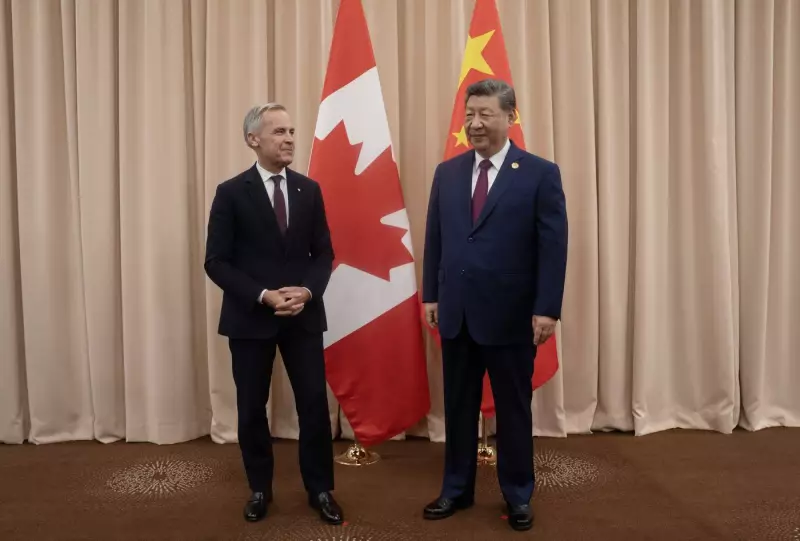
The diplomatic landscape was set during a significant meeting between Canadian Prime Minister Mark Carney and Chinese President Xi Jinping in Gyeongju, South Korea, on Friday, October 31, 2025. This high-level engagement underscored the importance both nations place on managing a complex bilateral relationship that has faced considerable strain in recent years.
According to officials familiar with the discussions, the talks were candid and focused on mutual economic interests. However, the path forward is expected to be incremental. The prevailing view within the Canadian government is that Beijing is not prepared to lift the tariffs it imposed several years ago, which have impacted key Canadian sectors such as canola, pork, and other agricultural exports.

The Strategic Goal: Reducing U.S. Trade Reliance
This diplomatic push is a cornerstone of a broader Canadian economic strategy often referred to internally as "Trumping tariffs." The phrase highlights a deliberate effort to diversify Canada's trade portfolio and lessen its vulnerability to U.S. policy shifts. With the United States remaining Canada's largest trading partner by a significant margin, Ottawa views cultivating stronger ties with other major economies, like China, as a matter of long-term economic security.
"The objective isn't necessarily a grand, immediate resolution on all fronts," explained one official, speaking on background. "It's about managing the relationship pragmatically, finding areas where mutual interests align, and making steady progress to rebuild trust and open channels. This is a marathon, not a sprint."
What Progress Could Look Like
While the removal of all tariffs is seen as a distant goal, officials point to other tangible areas where advancement is possible. These could include:
- Increased market access for specific Canadian products not currently under tariff restrictions.
- Progress on scientific and regulatory cooperation, facilitating smoother trade in goods like seafood or forestry products.
- Dialogue on shared environmental and technological goals, potentially opening doors for Canadian clean-tech and critical minerals companies.
The Canadian approach is one of cautious optimism, recognizing China's pivotal role in global supply chains and its significance as a growing consumer market. The government is balancing the desire for economic opportunity with the need to address longstanding points of contention, including human rights and regional security concerns.
The Road Ahead for Canadian Trade Policy
The outcome of these nuanced negotiations will have significant implications for Canadian exporters and the national economy. A failure to make any headway could reinforce Canada's concentrated trade risk with the United States. Conversely, even modest gains with China would validate Ottawa's strategy of persistent, principled engagement with alternative partners.
As Prime Minister Carney's government continues its dialogue with President Xi's administration, the focus remains on securing incremental wins and stabilizing the bilateral framework. For Canadian businesses, the message is to prepare for a gradual evolution in the trade relationship with China, rather than a sudden, transformative shift. The journey to diversify Canada's trade footprint is well underway, with the China file representing one of its most challenging and consequential chapters.






