After years of a costly trade freeze, Canada and China have taken a significant step towards economic normalization. The breakthrough, confirmed this week, marks a pragmatic pivot for Ottawa as it confronts the looming possibility of the Canada-United States-Mexico Agreement (CUSMA) unraveling before the end of 2026.
A Thaw Long Overdue for Canadian Farmers
The diplomatic and trade rupture began in 2018 with the arrest of Huawei executive Meng Wanzhou in Vancouver. China's retaliatory measures specifically targeted Canadian agriculture, imposing punitive tariffs and barriers on key exports like canola, pork, and lobster. The economic pain reverberated through rural communities for nearly eight years, creating immense pressure on the federal government to find a resolution.
The new arrangement, set to take effect on March 1, 2026, provides tangible relief. China has agreed to reduce tariffs on Canadian rapeseed to 15% and will suspend duties on canola, lobster, and other affected products. In a reciprocal move, Canada will permit the import of 49,000 Chinese electric vehicles at a reduced tariff rate of 6%.

Industrial Dreams vs. Agricultural Reality
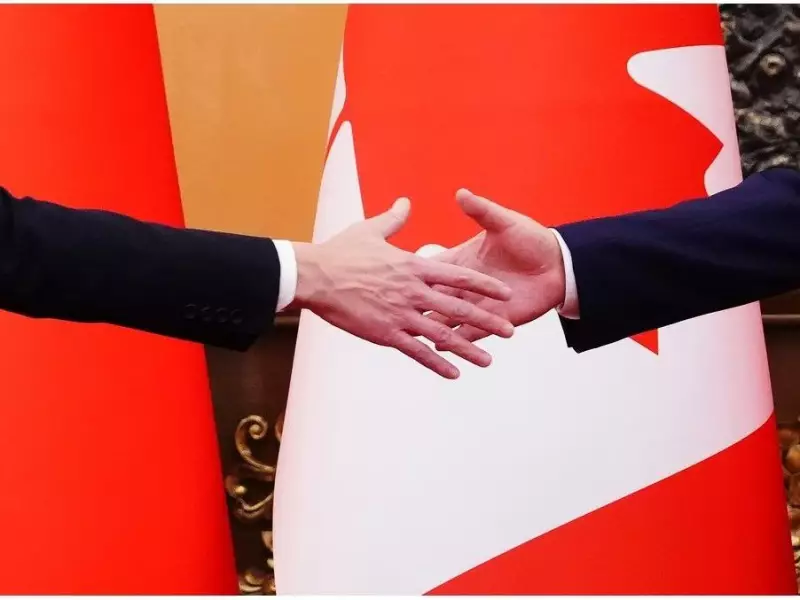
Prime Minister Mark Carney's recent visit to Beijing, where he met with President Xi Jinping, was more than a diplomatic mission; it was a necessary economic recalibration. The deal has drawn criticism, particularly from Ontario, where the concession on EVs is seen as undermining domestic industrial policy. Tariffs on Chinese EVs were initially imposed in October 2024 to align with U.S. policy and protect Canada's budding electric vehicle and battery ecosystem.
However, the reality on the ground forced Ottawa's hand. While Canada's EV strategy remained aspirational, the agricultural sector—a proven exporter supporting tens of thousands of existing jobs—was bleeding market share. The recent decision by automaker Stellantis to concentrate future investments in the United States further underscored the fragility of betting solely on an industrial renaissance. Food security cannot be deferred, whereas industrial policy often can.
Preparing for a "New World Order" in Trade
Carney's reference to a "new world order" was a telling signal. The comment reflects a sober assessment in Ottawa that CUSMA may be operating on borrowed time. With former U.S. President Donald Trump openly treating trade deals as disposable transactional tools, Canada's asymmetrical exposure has become a critical vulnerability.
While integrated North American food trade would likely continue due to geography and supply chains, the potential collapse of CUSMA highlights Canada's dangerous overreliance on a single partner in an increasingly unpredictable world. This context explains the urgency behind the China deal. It is a strategic move to diversify trade relationships and secure existing export markets before a potential crisis with the United States erupts.
The political landscape surrounding Canada-China relations has also fundamentally shifted since the era of former Prime Minister Jean Chrétien. Today, deals are weighed against serious concerns about human rights, foreign interference, and cybersecurity. While the thaw is a economic necessity, trust with the communist state remains limited, ensuring the relationship will stay complex and carefully managed for the foreseeable future.