

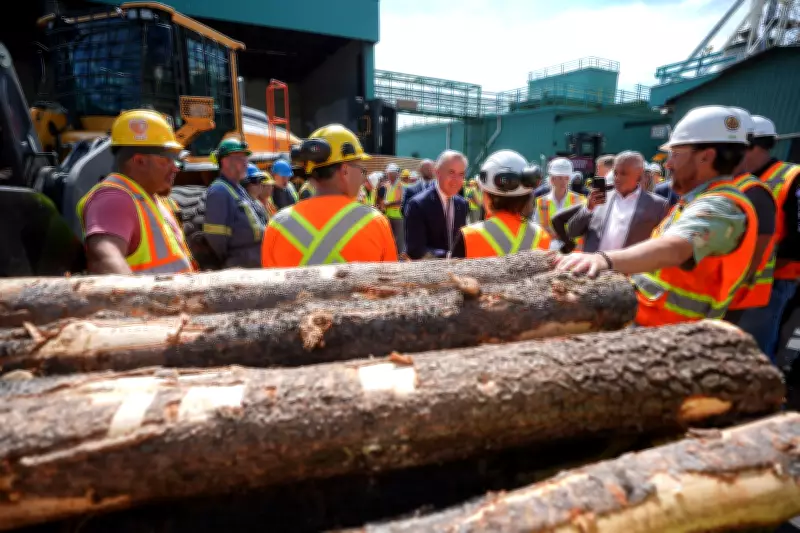
In a strong rebuke of international trade practices, wood manufacturers in British Columbia have openly criticized the longstanding lumber dispute with the United States, describing it as a "broken process" that undermines economic stability and fair competition. This declaration comes amid ongoing tensions between the two nations over softwood lumber tariffs, which have persisted for decades, affecting billions in cross-border trade.
Industry Leaders Voice Frustration Over Trade Barriers
Representatives from B.C.'s wood manufacturing sector argue that the current framework for resolving lumber disputes is inefficient and biased, leading to prolonged uncertainties and financial losses. They emphasize that the process often involves lengthy legal battles and arbitrary tariff impositions, which disrupt supply chains and investment plans. "We are caught in a cycle of litigation and retaliation that benefits no one," stated one industry executive, highlighting the need for a more transparent and equitable system.
Economic Implications for British Columbia
The dispute has significant repercussions for B.C.'s economy, which relies heavily on forestry and wood exports. Manufacturers report that fluctuating tariffs and trade restrictions have led to job insecurities and reduced market access, stifling growth in rural communities. Analysts warn that without a resolution, the sector could face further declines, impacting provincial revenues and global competitiveness. Recent data suggests that the uncertainty has already prompted some companies to delay expansions or seek alternative markets.

Calls for Reform and Diplomatic Engagement
In response, industry groups are urging both Canadian and U.S. governments to overhaul the dispute resolution mechanism, advocating for a more collaborative approach that prioritizes mutual benefits. They propose regular diplomatic dialogues and the establishment of independent panels to assess trade practices objectively. "It's time to move beyond adversarial tactics and focus on sustainable solutions," remarked a trade association spokesperson, noting that a stable trade environment is crucial for long-term prosperity.
As the debate continues, stakeholders remain hopeful that renewed negotiations will lead to a fairer process, but they caution that without substantive changes, the "broken" system will persist, harming businesses and workers alike. The outcome of this dispute is closely watched, as it sets a precedent for other trade sectors facing similar challenges.






