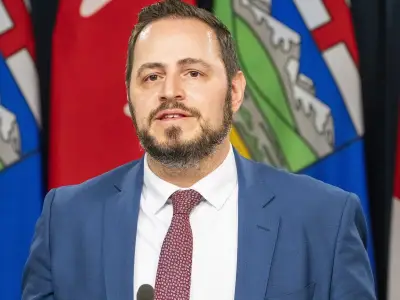
In a significant shift, British Columbia Premier David Eby has abandoned a planned advertising campaign targeting American audiences over contentious softwood lumber tariffs, a move that comes as the province's forestry sector faces another devastating blow with the closure of a major sawmill.
From Confrontation to Collaboration
Premier David Eby began the week by formally canceling his threat to launch a direct advertising blitz in the United States. The campaign was intended to challenge the hefty tariffs imposed on B.C. softwood lumber by the U.S. government. This decision marks a stark reversal from the premier's position just weeks prior.
In late October, Eby had been unequivocal, stating it was "absolutely essential" to inform Americans that U.S. trade policy was being governed not by logic or economics, but by "one individual in the White House," a clear reference to former President Donald Trump. He had vowed to proceed with the ads, framing the effort as a necessary step to expose what he called "nonsense and absurdity" to the American public and decision-makers.

A Strategic Retreat for Federal Partnership
The cancellation was announced on Monday, November 7, 2025, following a summit with federal ministers. Eby stated, "We will not be running the ads by ourselves." He committed that the province would now work in partnership with the federal government when the time came to communicate directly with Americans.
This new collaborative stance contrasts sharply with his earlier rhetoric. Where he once framed the ads as a demonstration of provincial autonomy, Eby now presented the threat as a tactical ploy. He revealed that his commitment to the federal government was conditional on their engagement, saying, "One of my commitments to the federal government was if they came to the table with us, if they sat with us, we'd work with them on communications strategy." In return for shelving the ad plan, B.C. secured a promise of more high-level talks with Ottawa on the softwood lumber crisis.
Deepening Crisis Amid Political Maneuvering
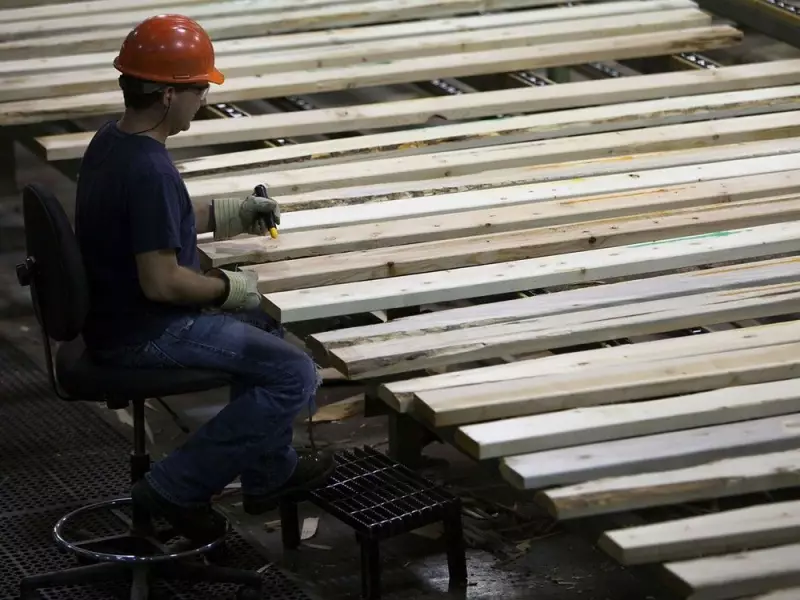
The political maneuvering occurs against a backdrop of continued hardship for B.C.'s forestry communities. The timing of the premier's announcement was underscored by the recent closure of a West Fraser Timber Co. sawmill in 100 Mile House, a stark reminder of the real-world consequences of the ongoing trade dispute.
While the province has stepped back from its unilateral advertising approach, the core issue remains unresolved. The softwood lumber tariffs continue to pose a significant threat to the economic health of British Columbia's interior regions, where many communities rely heavily on the forestry sector. The closure of the 100 Mile House mill is a tangible symptom of the pressure the industry is under, highlighting the urgent need for a viable long-term solution between the Canadian and U.S. governments.