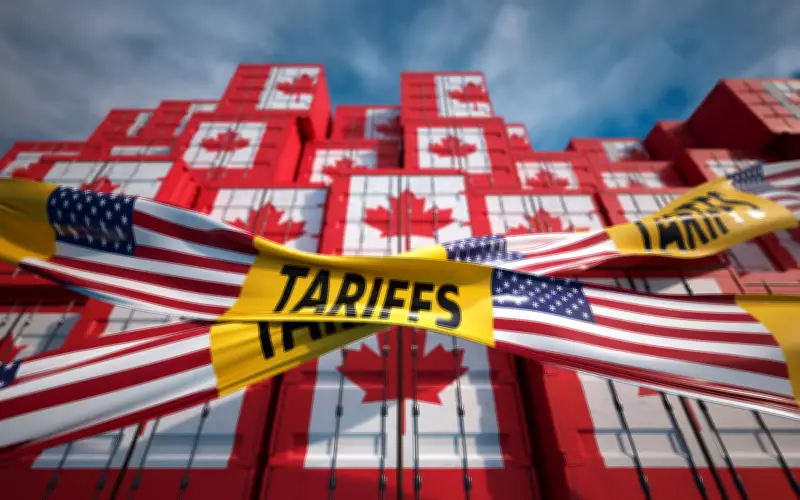
America's Tariff Turning Point: Global Trade Braces for Impact
In a significant shift in international economic policy, the administration of President Donald Trump has implemented a series of global tariff increases, marking what experts are calling a pivotal turning point in American trade strategy. Former White House trade advisor Kelly Ann Shaw provides a detailed breakdown of these measures and their potential ramifications for worldwide commerce.
Understanding the New Tariff Structure
The newly announced tariffs begin at an initial rate of 10%, with the Trump administration actively working to escalate them to 15% in the coming months. This aggressive approach represents a substantial departure from previous trade policies and has already sent shockwaves through global markets. Kelly Ann Shaw emphasizes that these tariffs are not isolated measures but part of a broader strategic realignment of America's position in the global economy.
According to Shaw, the administration's rationale centers on protecting domestic industries and addressing perceived trade imbalances. However, she warns that the implementation of such widespread tariffs could trigger retaliatory measures from trading partners, potentially leading to a cycle of escalating trade barriers that would disrupt supply chains and increase costs for consumers worldwide.

Immediate and Long-Term Consequences
The immediate impact has been felt across multiple sectors, with businesses expressing concern about increased operational costs. Despite some emergency tariff proposals being rejected, industry leaders caution consumers not to expect lower prices, as companies will likely pass on additional expenses. The Canadian approval of latest Gulfstream business jets following the tariff threat announcement illustrates how nations are already adjusting their policies in response to the changing trade landscape.
Shaw identifies several key areas where the tariff increases could have profound effects:
- Supply Chain Disruptions: Global manufacturing networks that rely on cross-border components could face significant bottlenecks and increased costs.
- Consumer Price Inflation: Imported goods across numerous categories may become more expensive for end consumers.
- Diplomatic Relations: Trading relationships that have been carefully cultivated over decades could be strained or fundamentally altered.
- Investment Uncertainty: Businesses may delay or reconsider international expansion plans due to unpredictable trade conditions.
Global Response and Adaptation
Nations worldwide are now scrambling to assess their vulnerability to these tariff changes and develop appropriate responses. Some countries may seek exemptions or negotiate bilateral agreements, while others might implement countermeasures. The situation creates particular challenges for economies heavily dependent on exports to the United States, which must now reconsider their trade strategies.
Shaw notes that while the Trump administration presents these tariffs as necessary for protecting American interests, the global nature of modern commerce means that effects will be felt across borders. Even industries not directly targeted by specific tariffs could experience collateral damage through disrupted supply chains and reduced economic confidence.
As businesses and governments worldwide monitor developments, the coming months will reveal whether this tariff turning point leads to a renegotiation of global trade relationships or escalates into broader economic conflict. The decisions made in response to these policies will shape international commerce for years to come, making this a critical moment for economic policymakers and business leaders across the globe.