

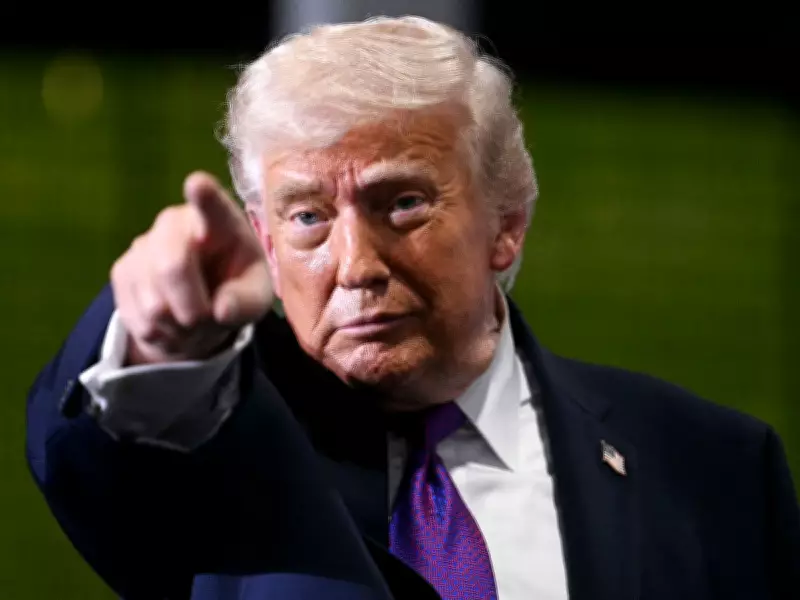
American Public Turns Against Trump's Tariff Policies as Economic Concerns Mount
Recent polling data indicates a significant shift in American public opinion regarding former President Donald Trump's signature trade policy tool. A growing majority of citizens now express concern that tariffs are damaging the economy and contributing to higher living costs, even as the Trump administration explores new methods to implement these import taxes following legal setbacks.
Legal Challenges and New Approaches
The Supreme Court dealt a blow to Trump's primary tariff mechanism last month, ruling that the president lacked authority under the International Emergency Economic Powers Act to impose such levies. Despite this judicial defeat, the White House has rapidly pivoted to alternative strategies. These include implementing temporary measures under the Trade Act that would impose a 10 percent tariff and launching investigations to justify additional economic penalties.
Treasury Secretary Scott Bessent has publicly assured that these new tariff approaches "will result in virtually unchanged tariff revenue in 2026." Meanwhile, Trump himself has continued to champion tariffs as essential economic policy, writing in a January Wall Street Journal opinion piece that "it was the tariff that made America strong and powerful in generations past and it is tariffs that are making our country stronger, safer and richer than ever before."

Public Opinion Shifts Dramatically
Despite the administration's continued advocacy, American citizens appear increasingly skeptical. Multiple polls conducted in recent months reveal a substantial erosion of public support for tariff policies. According to a consumer trends report by Resonate, blame for rising prices has shifted "dramatically" with Trump now topping the list of those held responsible by 39.3 percent of consumers. Tariffs and other trade policies ranked second at 37.3 percent, while corporate price gouging—previously the leading concern—dropped significantly in the rankings.
A February poll commissioned by the Guardian newspaper in the United Kingdom found that seven in ten Americans blame Trump's tariffs for higher prices, including 64 percent of Republicans. The same survey revealed that 72 percent of Americans believe tariffs have had a negative rather than positive impact on the economy, with 67 percent concluding that tariffs are not the right economic solution.
Economic Consequences and Political Response
The economic implications of continued tariff policies have become increasingly apparent. A recent study by congressional Democrats estimated that if Trump succeeds in reinstating tariffs, import taxes would cost American households an average of $2,512 in 2026—representing a 44 percent increase from the previous year. Democratic Senator Maggie Hassan responded to these findings by stating, "As American families continue to struggle with high costs, the President keeps choosing to institute new tariffs that will push prices even higher."
The White House dismissed the congressional report as "phoney," maintaining its position that tariffs strengthen the American economy. However, public sentiment continues to move in the opposite direction, with inflation and cost of living concerns dominating economic discussions nationwide.
Cross-Border Perspectives
Interestingly, American attitudes toward trade with Canada reveal a more nuanced perspective than the administration's hardline rhetoric might suggest. According to a new poll by the Angus Reid Institute, 51 percent of Americans would prefer no tariffs on Canadian goods entering the United States—a notable increase from the 42 percent who expressed this view in October 2024. This suggests that while the administration continues to pursue aggressive trade policies, the American public may be more inclined toward cooperative international trade relationships than official positions indicate.

The growing disconnect between policy implementation and public opinion creates a complex political landscape as economic concerns continue to dominate the national conversation. With multiple polls consistently showing declining support for tariff policies, the administration faces increasing pressure to address both the economic realities and public perceptions surrounding its trade agenda.





