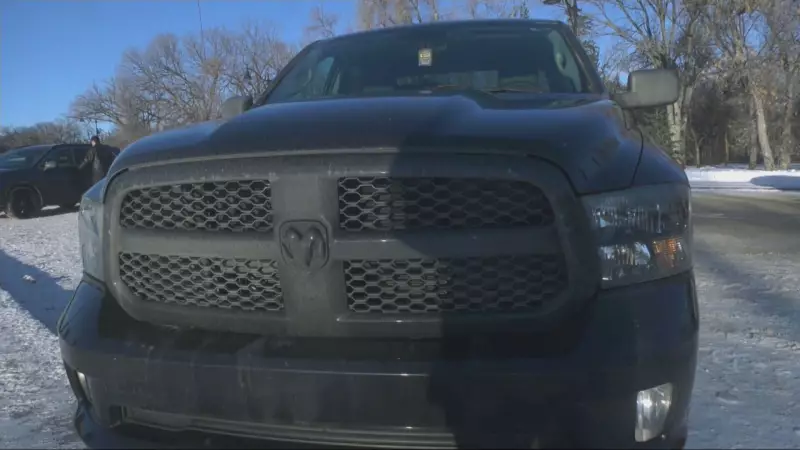
The Saskatchewan Government Insurance (SGI) has put forward a proposed rate adjustment for the 2026–27 period, a move that is drawing sharp criticism from the opposition NDP. According to the proposal, owners of commercial half-ton trucks could be the most significantly impacted, facing an increase in their annual plate costs of nearly $100.
NDP Sounds Alarm on Proposed Increases
The New Democratic Party has highlighted the potential financial strain this hike would place on businesses and individuals who rely on these vehicles for their livelihoods. The proposed changes, announced on January 9, 2026, are part of SGI's regular rate review process but have singled out a specific segment of drivers for a substantial cost increase.
While the full details of the rate structure are still under review, the focus on commercial half-tons suggests a shift in how risk and operational costs are being assessed for different vehicle classes. This type of increase directly affects the overhead for many small businesses, contractors, and agricultural operations across the province.

Understanding the Impact on Vehicle Owners
The projected $100 annual increase represents a notable jump in the cost of vehicle registration and insurance for this popular class of work vehicle. For owners operating multiple trucks, the cumulative effect could be considerable, adding thousands of dollars in annual operating expenses.
SGI, as the province's public auto insurer, typically adjusts rates to reflect claims experience, repair costs, and economic factors. The specific targeting of half-ton trucks indicates this category may have been associated with higher-than-average claims or costs in recent data, prompting the need for a rebalancing of premiums.
Broader Context and Next Steps
The proposal will now enter a period of public scrutiny and regulatory review. Stakeholders, including industry groups and the NDP, are expected to voice their concerns and seek justification for the disproportionate impact on commercial half-ton owners.
This news from Regina underscores the ongoing challenges of balancing affordable auto insurance with the financial sustainability of public insurance funds. The final decision on the 2026–27 rates will be closely watched by businesses and residents alike, as it will set a precedent for the cost of commercial transportation in Saskatchewan for the coming year.