British Columbia residents and businesses grappling with the aftermath of severe flooding will have to wait several more weeks before the full financial picture of the disaster becomes clear. According to the Insurance Bureau of Canada (IBC), the total tally of insured losses from the catastrophic flooding that struck parts of the province in December 2025 is still weeks away from being finalized.
A Complex Assessment Process
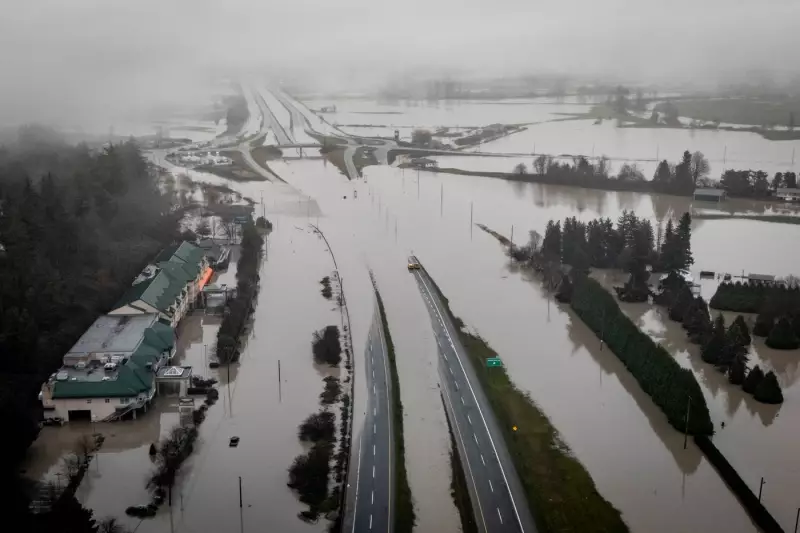
The delay in calculating a final figure is due to the scale and complexity of the damage assessment required. Insurance adjusters are currently on the ground across affected regions, evaluating claims from homeowners, vehicle owners, and commercial enterprises. The flooding, which peaked around Friday, December 12, 2025, inundated critical infrastructure, including sections of Highway 1 in Abbotsford, as seen in widely circulated images of the event.
This process involves not just immediate water damage but also longer-term issues like mold remediation, structural repairs, and business interruption losses. The IBC emphasized that a thorough and accurate assessment is crucial for both the insurance industry and policymakers to understand the event's full scope.

Context of a Changing Climate
The devastating floods in British Columbia are the latest in a series of extreme weather events to hit Canada in recent years, underscoring the growing financial and social costs associated with a changing climate. While the insured loss figure will capture a significant portion of the economic damage, it does not account for uninsured losses, public infrastructure damage, or profound community impacts.
Previous major flooding events in B.C. and elsewhere have resulted in insured losses in the billions of dollars. The upcoming data from the IBC will provide a critical benchmark for the 2025 event, helping to inform future climate adaptation and disaster mitigation strategies.
Looking Toward Recovery and Resilience
As the insurance industry works to process claims and support customers, the focus for many communities remains on clean-up and recovery. The prolonged timeline for determining total insured losses highlights the magnitude of the challenge faced by the province.
The final report from the Insurance Bureau of Canada will be a key document for understanding the financial footprint of this disaster. It will also contribute to ongoing national conversations about resilience in the face of increasing extreme weather and the role of insurance in recovery.