Women Energy Leaders Demand Accelerated Action on Infrastructure and Policy at Calgary Summit
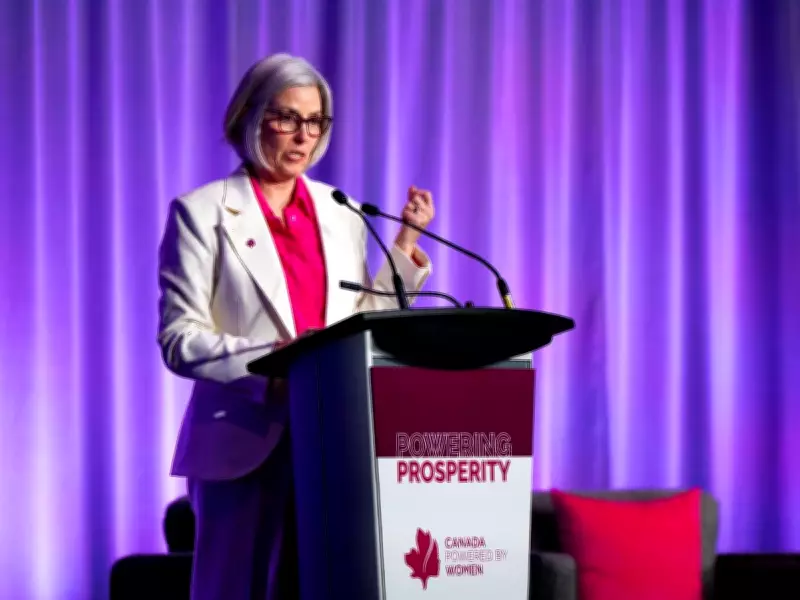
With a crucial April 1 deadline approaching for key agreements in the landmark Alberta-Canada energy memorandum of understanding, female leaders within Canada's energy sector are intensifying their calls for faster federal action on infrastructure development and policy reform. The urgent appeals came during the Canada Powered by Women Summit in Calgary, where nearly 400 women gathered at the BMO Centre to discuss the future of Canada's energy industry.
Pressure Mounts as MOU Deadline Looms
The summit, held on Tuesday, March 31, 2026, featured multiple speakers who argued that federal commitments aimed at bolstering Canada's energy sector have fallen short of expectations. Tracey Bodnarchuk, CEO of Canada Powered by Women, emphasized the need for tangible progress, stating, "The MOU is designed to deliver some really great things, but we need to see it happen. We need to see that pipeline come through – things need to move forward."
The agreement, signed in November by Prime Minister Mark Carney and Alberta Premier Danielle Smith, aims to position Canada as "a global energy superpower" through commitments tied to pipeline development, potential changes to a federal oil tanker ban off British Columbia's coast, and the suspension of clean electricity regulations in Alberta, while extending Alberta's industrial carbon pricing program.

Industrial Carbon Tax Under Scrutiny
While the federal government has eliminated the consumer carbon tax, it continues to plan increases for the Industrial Carbon Tax, which is scheduled to reach $130 per tonne by 2030 – a reduction from the $170 per tonne target set by the previous administration. This policy remains a point of contention among industry leaders who argue it hampers Canada's competitive position.
Kristi Cawthorn, CEO of Startec, acknowledged improved federal messaging on energy policy direction but stressed the need for concrete action. "We're looking for more action to go together with the language and the talk that we're hearing," she said. "There's good signals coming out of Ottawa. Now we need to move towards action."
Calls for Decisive Policy Measures
Cawthorn described the Ottawa-Alberta memorandum of understanding as a "good step" but insufficient on its own to drive meaningful industry transformation. "We need decisive policy action that will support the industry," she emphasized. "A memorandum of understanding is a good step, but it's in and of itself it's not sufficient to change the industry."
Conservative MP Greg McLean, representing Calgary Centre, addressed summit attendees with pointed criticism of current federal approaches. He argued that commitments under the MOU and legislation such as the Building Canada Act do not go far enough, specifically targeting the industrial carbon tax while questioning whether the Carney government's attitude toward the energy industry represents a genuine departure from previous administrations.
"All of the approaches to work around the issues holding us back are not meeting the moment and will continue to result in obfuscation," McLean stated, highlighting the growing frustration among industry stakeholders.
Building Momentum for Change
The summit underscored several key concerns among female energy leaders:
- Accelerated infrastructure development, particularly pipeline projects
- Reconsideration of the industrial carbon tax structure
- Translation of policy commitments into tangible actions
- Enhanced collaboration between federal and provincial governments
- Clearer pathways to achieving Canada's energy superpower ambitions
As the April 1 deadline for MOU agreements approaches, the pressure on federal officials continues to mount. The collective voice emerging from the Calgary summit represents a significant segment of Canada's energy sector demanding swifter progress on both infrastructure projects and policy frameworks that will determine the industry's future trajectory.