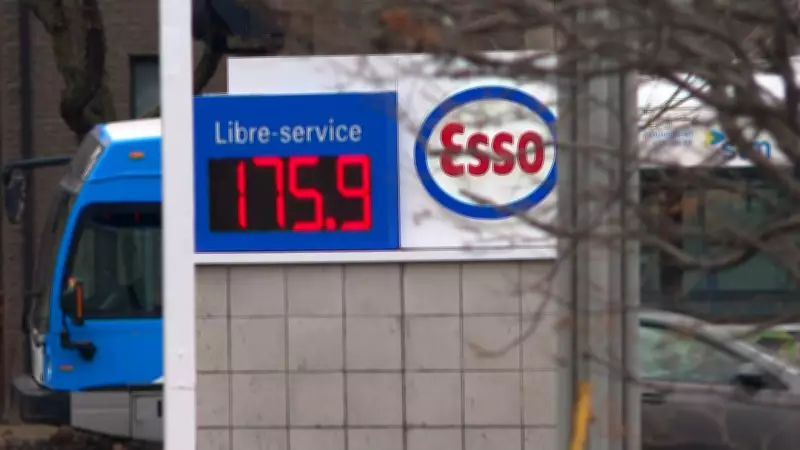
Why Gas Prices Are Higher in Montreal: A Deep Dive into Quebec's Fuel Market
Gas prices are climbing nationwide, but Quebec shows wide variation as some stations cut margins to stay competitive. In Montreal, drivers are feeling the pinch more acutely, with prices often exceeding those in other parts of the province. This disparity raises questions about the underlying factors influencing fuel costs in the city.
Nationwide Trends and Quebec's Unique Position
Across Canada, gas prices have been on an upward trajectory, driven by global oil market fluctuations, supply chain disruptions, and geopolitical tensions. However, Quebec stands out due to its internal price variations. While some regions see moderate increases, Montreal frequently experiences spikes that leave consumers puzzled and frustrated.
Competitive pressures play a significant role in this dynamic. Some stations in Quebec are slashing their profit margins to attract customers, creating a patchwork of pricing across the province. In Montreal, however, higher operational costs, including taxes, transportation fees, and urban overheads, contribute to elevated prices at the pump.

Factors Driving Higher Costs in Montreal
Several key elements explain why Montrealers pay more for gas:
- Taxation: Quebec imposes provincial and federal taxes on gasoline, which are compounded in urban areas like Montreal. These taxes fund infrastructure and environmental initiatives but add to the final price consumers pay.
- Transportation and Logistics: Delivering fuel to Montreal involves complex logistics, including storage and distribution challenges in a densely populated city. These costs are often passed on to consumers.
- Market Competition: While some stations cut margins, others in high-demand areas of Montreal maintain higher prices due to less competitive pressure. This results in a wider price gap compared to rural Quebec.
- Environmental Regulations: Quebec's stringent environmental standards, including carbon pricing and clean fuel requirements, can increase production and compliance costs, indirectly affecting retail prices.
Comparative Analysis with Other Provinces
When compared to Ontario or British Columbia, Quebec's gas prices often align with national averages, but Montreal's urban premium sets it apart. For instance, cities like Toronto or Vancouver also face high costs due to similar factors, but Montreal's unique tax structure and local market dynamics create distinct challenges.
Consumer behavior also influences pricing. In Montreal, high demand from commuters and businesses sustains higher prices, even as some stations attempt to undercut competitors. This balance between supply, demand, and operational costs shapes the fuel market in the city.
Future Outlook and Consumer Impact
Looking ahead, gas prices in Montreal are likely to remain volatile, influenced by global oil trends, provincial policies, and local economic conditions. Consumers can expect continued fluctuations, with potential relief only if competitive pressures intensify or if tax adjustments are made.
To mitigate costs, drivers in Montreal might consider strategies such as using price-tracking apps, fueling at off-peak times, or exploring alternative transportation options. However, without significant changes in market dynamics or government intervention, higher prices may persist as a hallmark of the city's fuel landscape.
In summary, while gas prices rise nationwide, Montreal's specific conditions—from taxes to competition—make it a hotspot for higher costs. Understanding these factors can help consumers navigate the challenges and advocate for more transparent pricing in Quebec's fuel market.