The government of Venezuela is taking legislative steps to criminalize the seizure of its oil tankers, a move that comes as former U.S. President Donald Trump ramps up pressure on the administration of President Nicolás Maduro. This development highlights the ongoing geopolitical tensions surrounding Venezuela's crucial energy sector.
Legislative Response to External Pressure
This proposed legal action appears to be a direct response to increasing external pressure, particularly from the United States. The initiative aims to create legal protections for Venezuela's state-owned oil assets, which are vital to the country's economy. The push for this law was reported on December 23, 2025, as the Maduro government seeks to shield its oil shipments from potential foreign interference.
The context for this move is a renewed campaign by former U.S. President Donald Trump to exert influence over Venezuela's political landscape. Trump's strategy has historically involved leveraging economic sanctions and other measures targeting the South American nation's oil industry, a primary source of revenue for Maduro's government.

A Tanker in the Spotlight
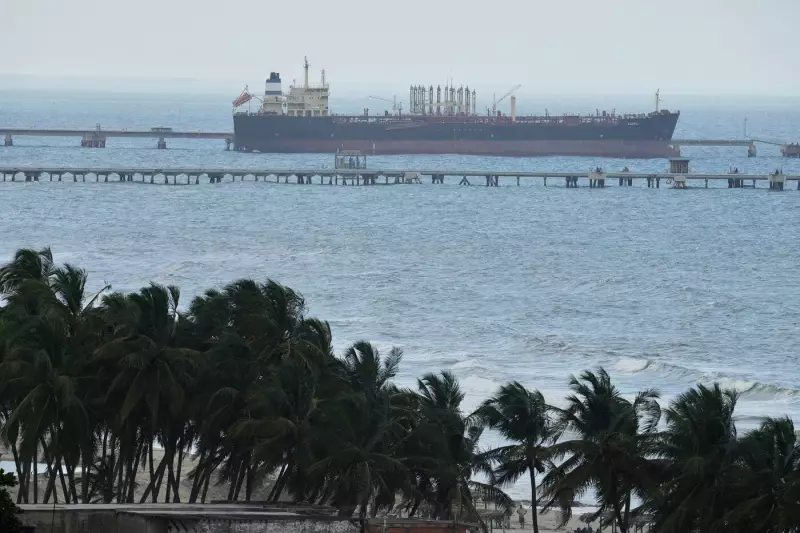
Illustrating the tangible assets at stake, the oil tanker Evana was photographed docked at the El Palito port in Puerto Cabello, Venezuela, on Sunday, December 21, 2025. This vessel represents the type of state-owned asset the proposed law is designed to protect from seizure or detention by foreign entities.
The potential criminalization of tanker seizures would mark a significant escalation in Venezuela's legal defenses. It signals the government's intent to treat any such actions not merely as economic disputes but as serious criminal offenses under Venezuelan law.
Implications for Global Energy and Canada
This situation carries implications beyond Venezuela's borders, potentially affecting global oil supply chains and market stability. For Canada, a nation with its own significant energy sector and complex trade relationships, shifts in global oil politics are always closely monitored.
While the immediate conflict is between Venezuela and the United States, the fallout can influence global crude prices and diplomatic relations worldwide. Canada's energy industry and foreign policy observers will be watching to see how this legal maneuver impacts the already volatile situation surrounding one of the world's largest oil reserves.
The proposed law represents a hardening of positions, suggesting that diplomatic resolutions may be facing new legal hurdles. As 2025 draws to a close, the standoff over Venezuela's oil continues to be a flashpoint in international relations, with economic and legal battles intensifying.