Venezuela's Parliament Approves Historic Oil Sector Reform
In a significant shift for the nation's economy, Venezuelan lawmakers have approved a bill to ease state control over the oil industry. The reform, proposed by acting President Delcy Rodriguez, aims to open the sector to increased private and foreign investment. This move marks a departure from decades of strict government dominance in the country's primary economic driver.
Rallying Support for Economic Change
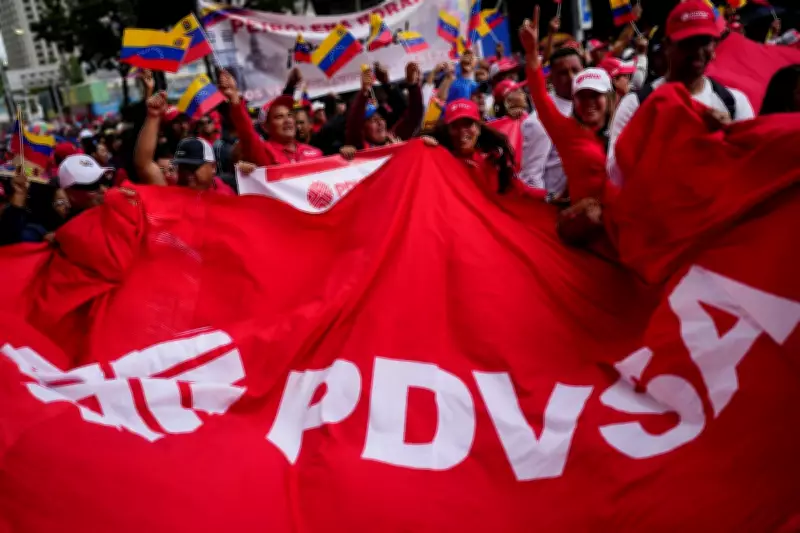
Workers from Venezuela's state-owned PDVSA oil company recently rallied in Caracas to back the proposed legislation. The bill seeks to modernize the industry by attracting much-needed capital and expertise from international partners. Supporters argue that this reform is essential for revitalizing Venezuela's struggling oil production, which has faced years of decline due to underinvestment and economic sanctions.
Context of Venezuela's Economic Challenges
Venezuela possesses the world's largest proven oil reserves, yet its oil industry has been hampered by mismanagement and political turmoil. The country's economy has contracted dramatically in recent years, with hyperinflation and shortages of basic goods affecting millions of citizens. This reform represents a pragmatic approach to addressing these systemic issues by leveraging external resources.

The legislation comes at a critical juncture, as global energy markets continue to evolve. By allowing greater private sector participation, Venezuela hopes to boost production capacity and generate much-needed revenue. However, the success of this initiative will depend on several factors, including the stability of the political environment and the willingness of international investors to engage with the Venezuelan market.
Potential Implications for Global Energy Markets
If implemented effectively, this reform could gradually increase Venezuela's oil output, potentially influencing global supply dynamics. The country's ability to attract investment will be closely watched by energy analysts worldwide. Meanwhile, the domestic impact remains uncertain, with some observers cautioning that benefits may take time to materialize for ordinary Venezuelans.
This development underscores Venezuela's ongoing efforts to navigate complex economic challenges while seeking to reintegrate into the global economy. The path forward will require careful management to balance national interests with the demands of international partners.