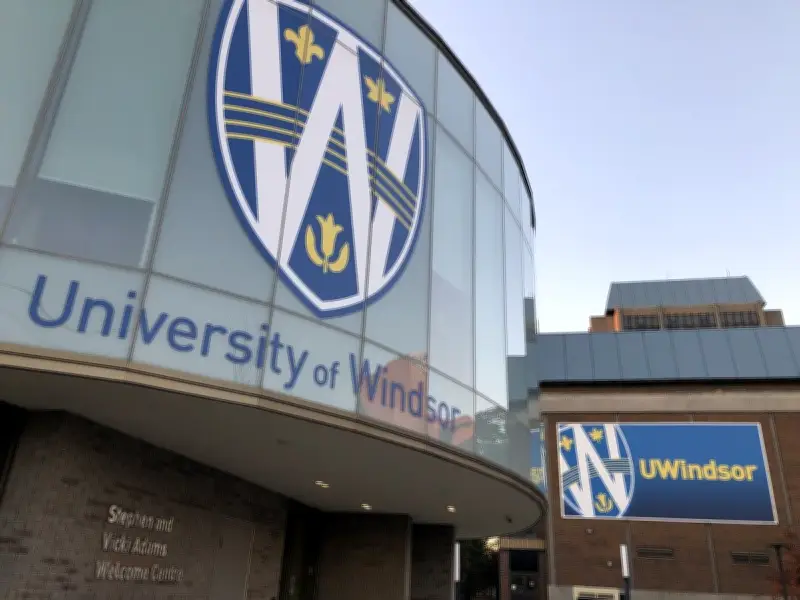
The University of Windsor spent nearly $40,000 sending three top leaders — including then-president Robert Gordon — on an 11-day recruitment trip to India in September 2024, months after Ottawa imposed a cap on international student enrolment.
The trip preceded news of a projected $30-million deficit for the 2025-26 academic year and followed a period of heightened scrutiny at the university over staff cuts, hiring and salary freezes, and program reductions.
Travel Records Reveal Costs
Travel records, obtained by the Windsor Star through a freedom-of-information request, show the delegation travelled across five cities during the 11-day India trip. It also took place immediately after Gordon announced his retirement.

“The purpose of the delegation was to reaffirm the University of Windsor’s commitment to international students and to maintain recruitment and partnership momentum at a critical moment for Canadian post-secondary education,” the public affairs and communications office stated in an email to the Star May 15. “They met with key post-secondary partners in five cities.”
Details of the Expenditure
The Star filed the initial FOI request in March 2025 for travel records covering senior administrators over multiple years, after first requesting the information without success. The request was later narrowed to seven top executives, including Gordon, from Jan. 1, 2022 to Dec. 31, 2025.
Records show the trip to India from Sept. 23 – Oct. 4, 2024, cost approximately $39,552, or about $13,184 per person. Expenses included flights, transportation, accommodation and meals. The other two “key representatives” in the delegation were Bill Van Heyst, dean of engineering, and Chris Busch, associate vice-president of enrolment and senior international officer.
The FOI documents also revealed a second trip to India that year. Shanthi Johnson, vice-president of research and innovation, travelled to New Delhi, India for an education summit from Aug. 29-31, 2024, at a cost of $987, according to the documents. The flights were covered by the conference.
Broader Travel Spending and Financial Context
The travel records show $58,334 was spent on senior administrative travel during the 2024-25 fiscal year, covering trips to cities including Vancouver, Montreal, Ottawa and Halifax.
The federal government imposed a cap on new international study permits in January 2024, following a 121 per cent increase in applications between 2019 and 2023. A report from the Office of the Auditor General of Canada said the “combined effect of fewer applications and lower-than-projected approval rates” led to a sharper decline in new permits than forecast. The shortfall continued into 2025.
UWindsor had projected a revenue deficit of more than $30 million for the 2025-26 academic year, on the heels of a $14 million revenue shortfall from the year prior.